The Ganges, India
Millions bathe in the Ganges each year as an act of devotion, though measured water quality varies widely.


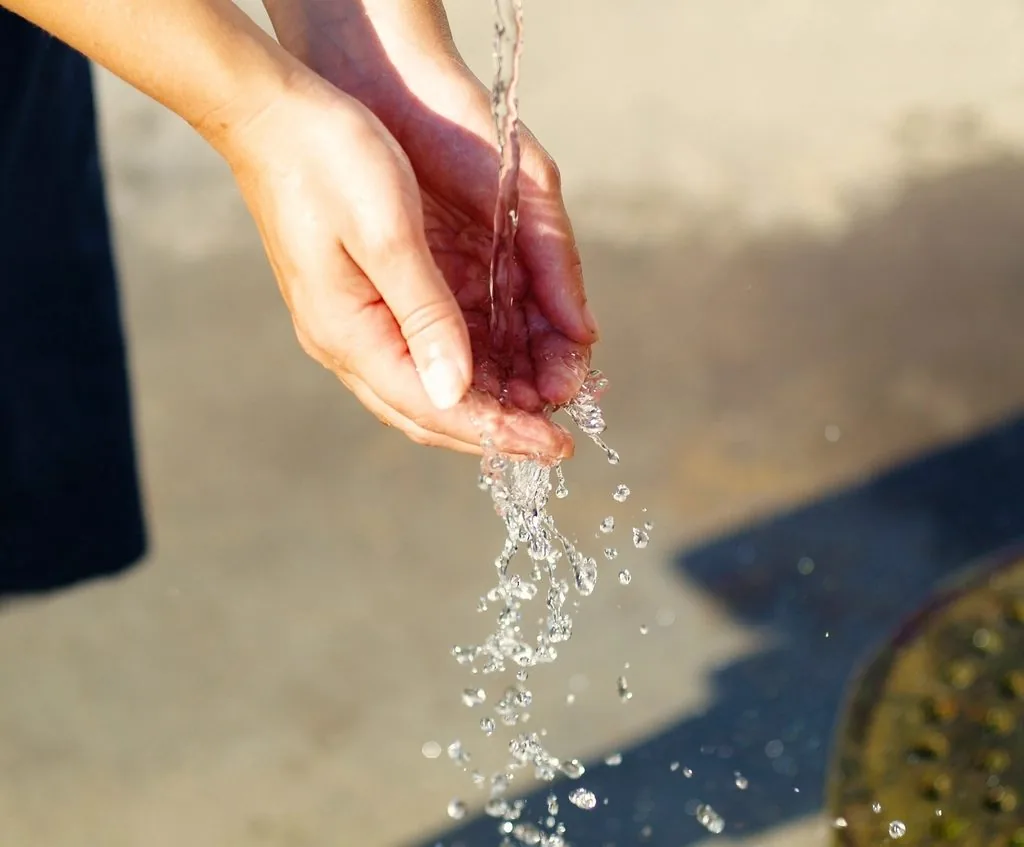
The Water element
Water: the element that cleanses, and the oldest question about what clean means.
People washed, boiled, filtered and prayed over water for thousands of years before anyone had heard of a germ. Reconnecting begins with something simple: washing with attention.
Meaning
Water represents cleansing, flow and renewal. It is one of the five elements Aquarian Alchemy invites you to reconnect with through everyday practice, and its action is to purify.
In classical philosophy and alchemy, Water is a symbolic element, one of the basic ingredients of the world. Chemically, water is a compound of hydrogen and oxygen, and it behaves unlike almost any other liquid: it is densest just above freezing, which is why ice floats and lakes freeze from the top.
Across cultures, water has stood for cleansing, renewal, emotion, flow and the passage between one state and another. Almost every tradition has a ritual for washing something away and beginning again.

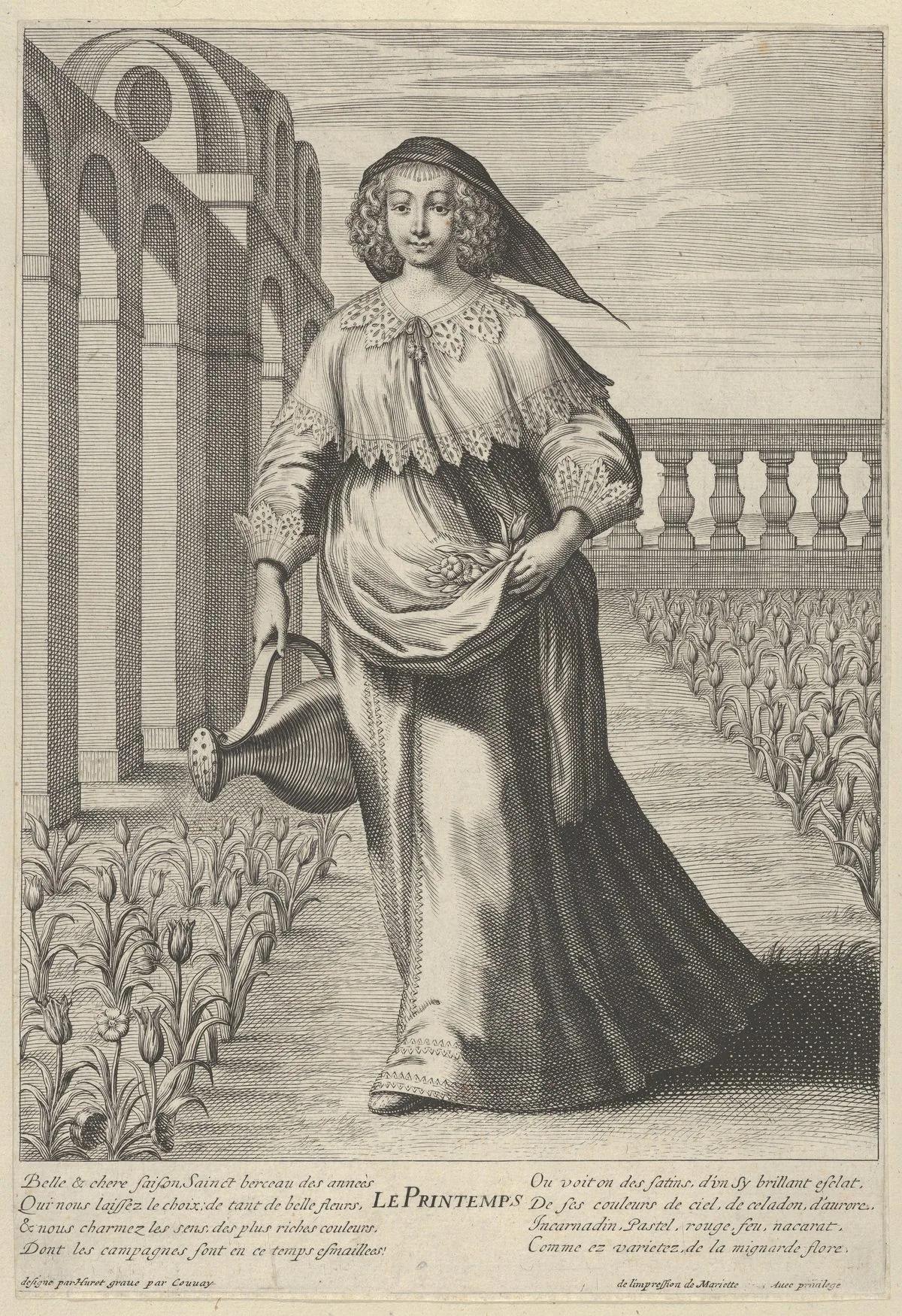
Thales of Miletus · line engraving · CC0
Water is one of four classical elements, alongside Earth, Air and Fire. The philosopher Thales is traditionally said to have named it the source of all things.
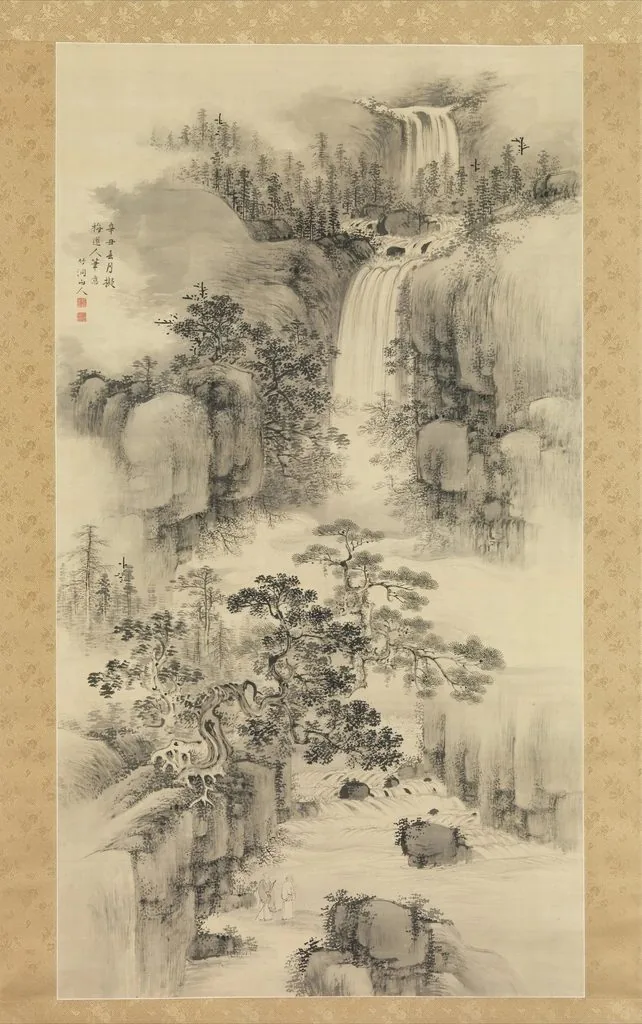
Landscape with Waterfall · Nakabayashi Chikutō · CC0
In wuxing, Water is one of five phases of change, associated with winter, stillness and the kidneys.
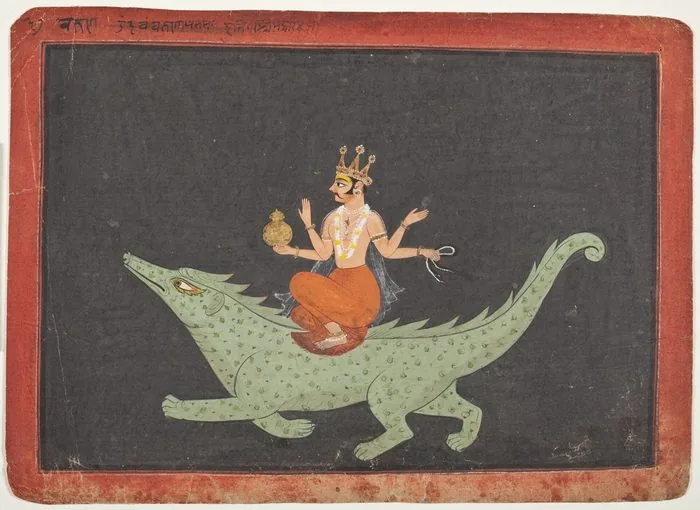
Varuna, the God of Waters · Indian painting · public domain
Water is the principle of cohesion and flow, and it forms kapha, the quality of nourishment and lubrication.
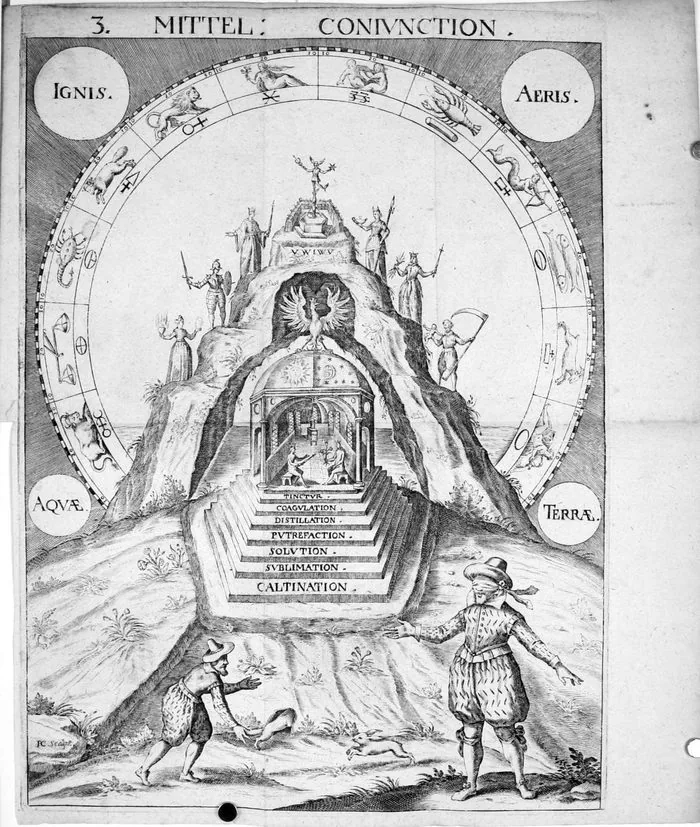
Spiegel der Kunst und Natur · Michelspacher, 1615 · public domain
The Water element symbol is a downward-pointing triangle, like a falling drop or a cup.
Leonard Orr
Where Rebirthing Breathwork began.
Leonard Orr, who developed Rebirthing Breathwork, taught spiritual purification through earth, air, water and fire. His water practice was bathing: a warm bath, taken with attention, ideally twice a day. He wrote that drinking good water matters, but that bathing is the easiest and most pleasant way to cleanse what he called the energy body.
Water is also where his story starts. Orr dated his first Rebirthing experience to 1962, when he found he could not leave his bathtub for about two hours. His first teaching technique, in 1974, was to stay in the bath beyond the urge to get out.
Orr's Bathtub, 1962
Orr dated his first Rebirthing experience to 1962, when he found he could not leave his bathtub for about two hours.Source: Leonard D. Orr Foundation, “My Story”
The Bath Practice
A warm bath, taken with attention, ideally twice a day.Source: Leonard Orr's Official Blog (2009)
Erik Casano Today
Trained in 5 Elements Breathwork in Haidakhan, India, in the same lineage.Source: Erik Casano
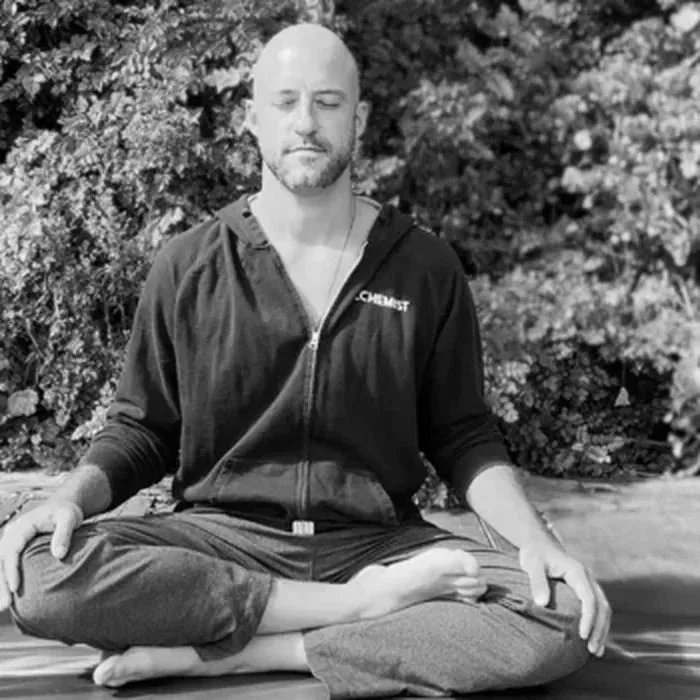
Erik Casano trained in 5 Elements Breathwork in Haidakhan, India, in the same lineage, and continues Orr's emphasis on water. Erik also has his own drinking preferences, such as coconut water and mineral-balanced water. These are his personal practices, not Orr's teaching.
Try it
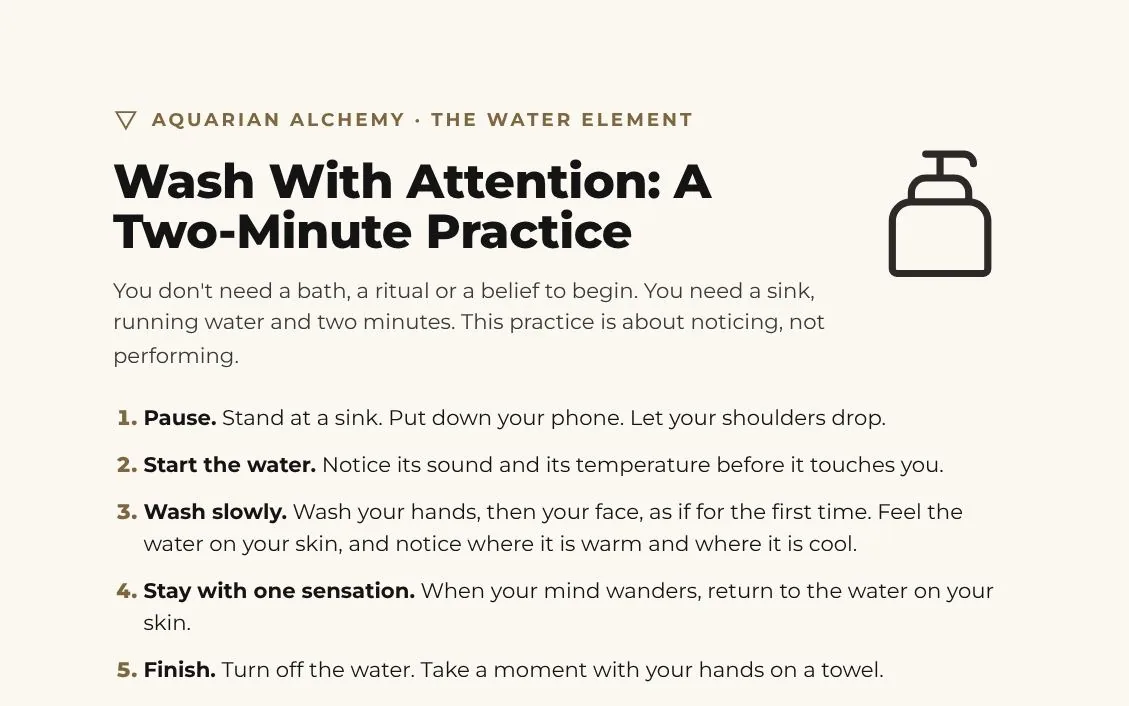
A two-minute conscious wash.
You don't need a bath, a ritual or a belief to begin. You need a sink, running water and two minutes. This practice is about noticing, not performing.
Evening option: Orr's practice was a full warm bath. If you have one, make it unhurried: warm, not hot, with the phone elsewhere, and a few minutes of simply being in the water. A warm bath or shower one to two hours before bed is also associated with falling asleep faster. [12]
0:00
of 2:00
The living filter
The best water purifiers are alive.
Long before treatment plants, the planet was cleaning water. It still does, and the cleaning is done by living things.
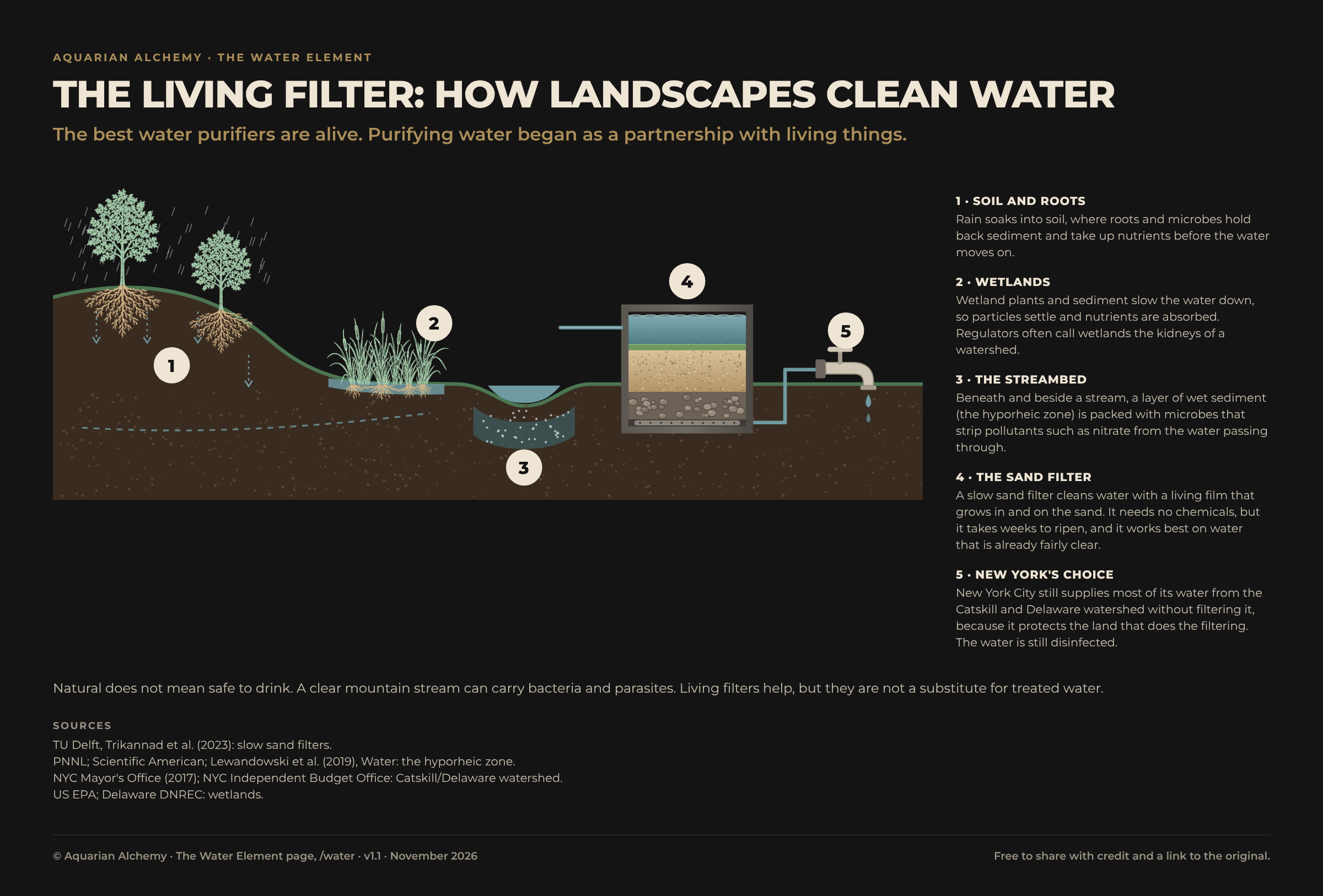
The Living Filter: How Landscapes Clean Water
Swipe to see the whole landscape
Rain soaks into soil, where roots and microbes hold back sediment and take up nutrients before the water moves on. [17]
Wetland plants and sediment slow the water down, so particles settle and nutrients are absorbed. Regulators often call wetlands the kidneys of a watershed. [17]
Beneath and beside a stream, a layer of wet sediment (the hyporheic zone) is packed with microbes that strip pollutants such as nitrate from the water passing through. [15]
A slow sand filter cleans water with a living film that grows in and on the sand. It needs no chemicals, but it takes weeks to ripen, and it works best on water that is already fairly clear. [14]
New York City still supplies most of its water from the Catskill and Delaware watershed without filtering it, because it protects the land that does the filtering. The water is still disinfected. [16]
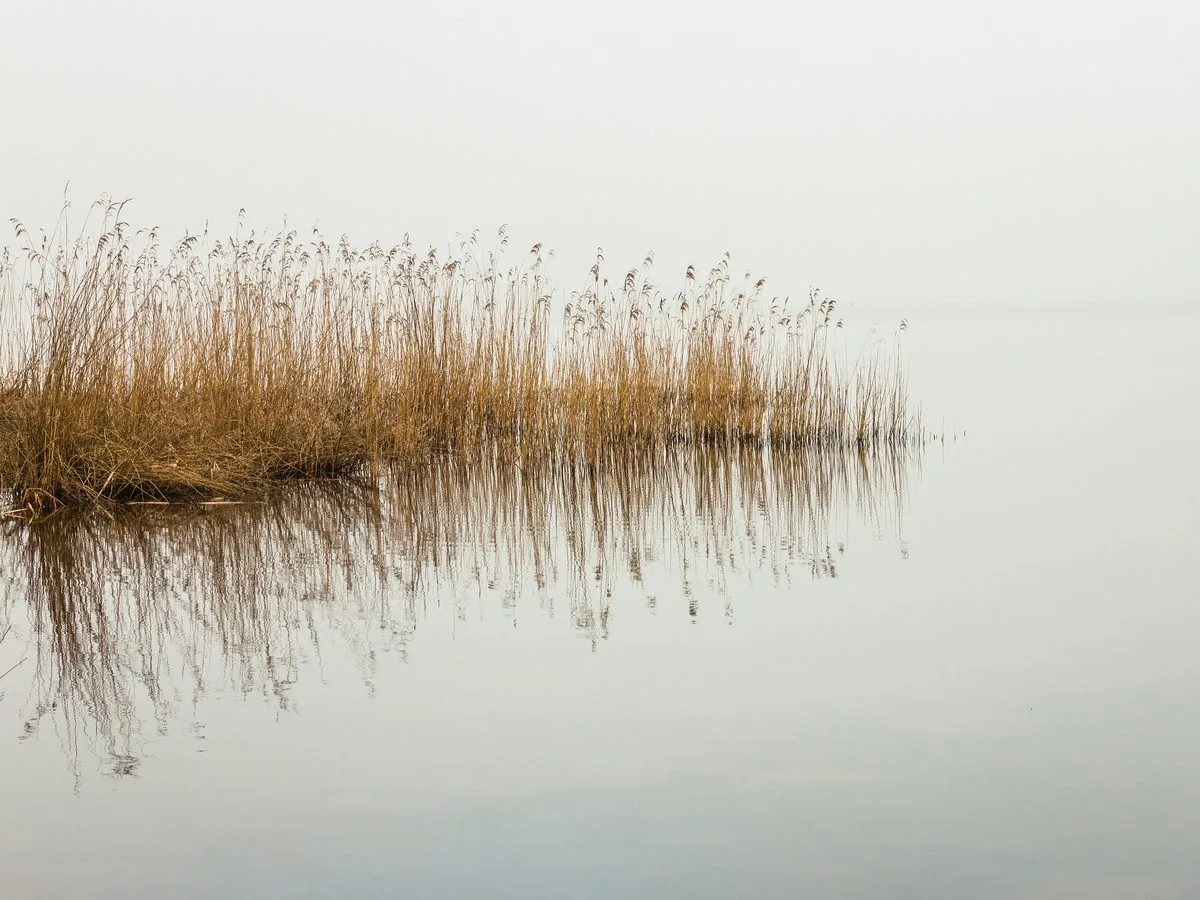
Langweerder Wielen in the mist · Dominicus Johannes Bergsma · CC BY-SA 4.0
Natural does not mean safe to drink. A clear mountain stream can carry bacteria and parasites. Living filters help, but they are not a substitute for treated water.
Purifying water began as a partnership with living things.
Timeline
4,500 years of making water clean, and what the evidence says now.
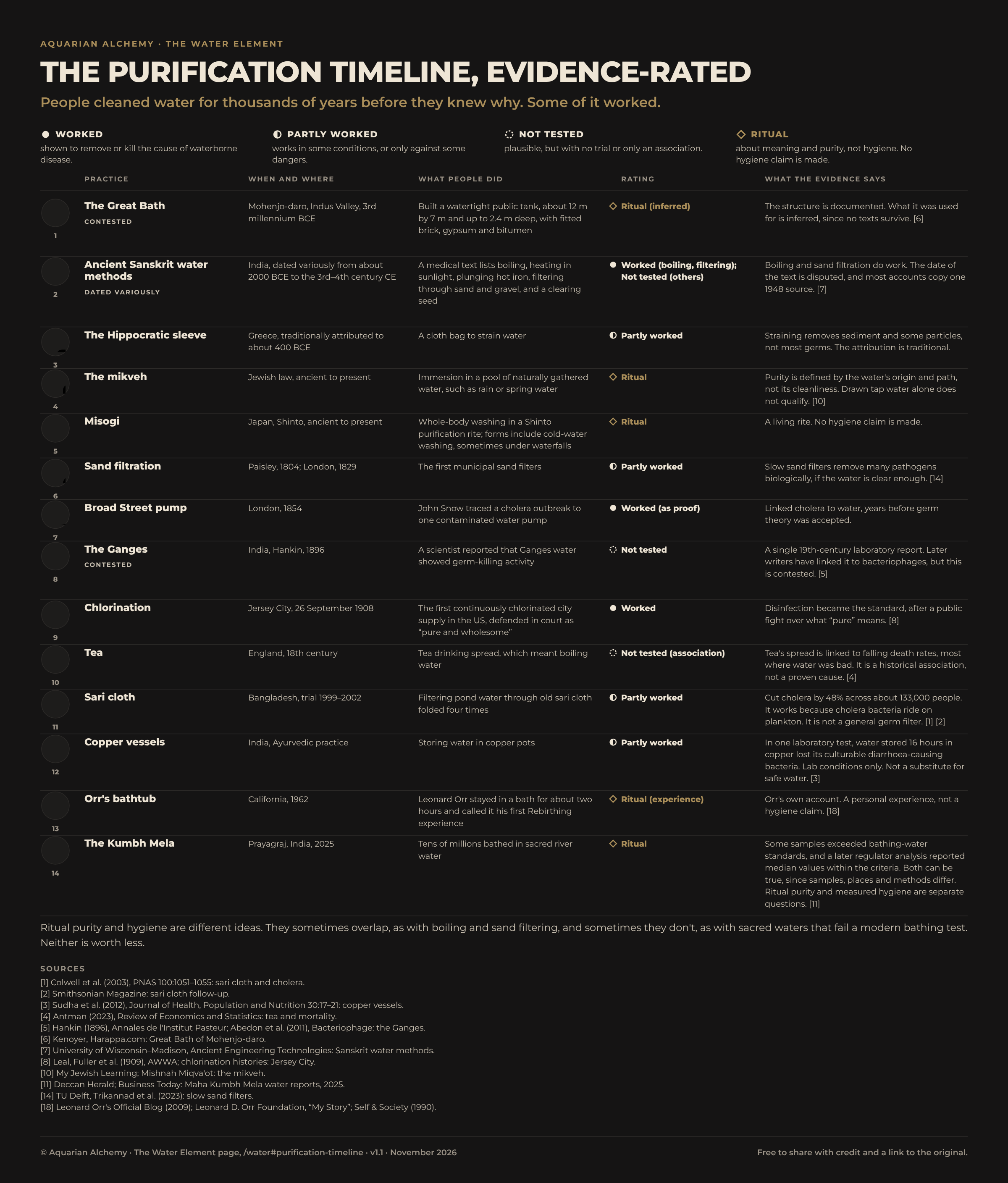
People kept water clean for thousands of years before they knew what a germ was. Some of their methods worked. Some were rituals that were never about hygiene. Some were both. Here is each one, rated against what we know today.
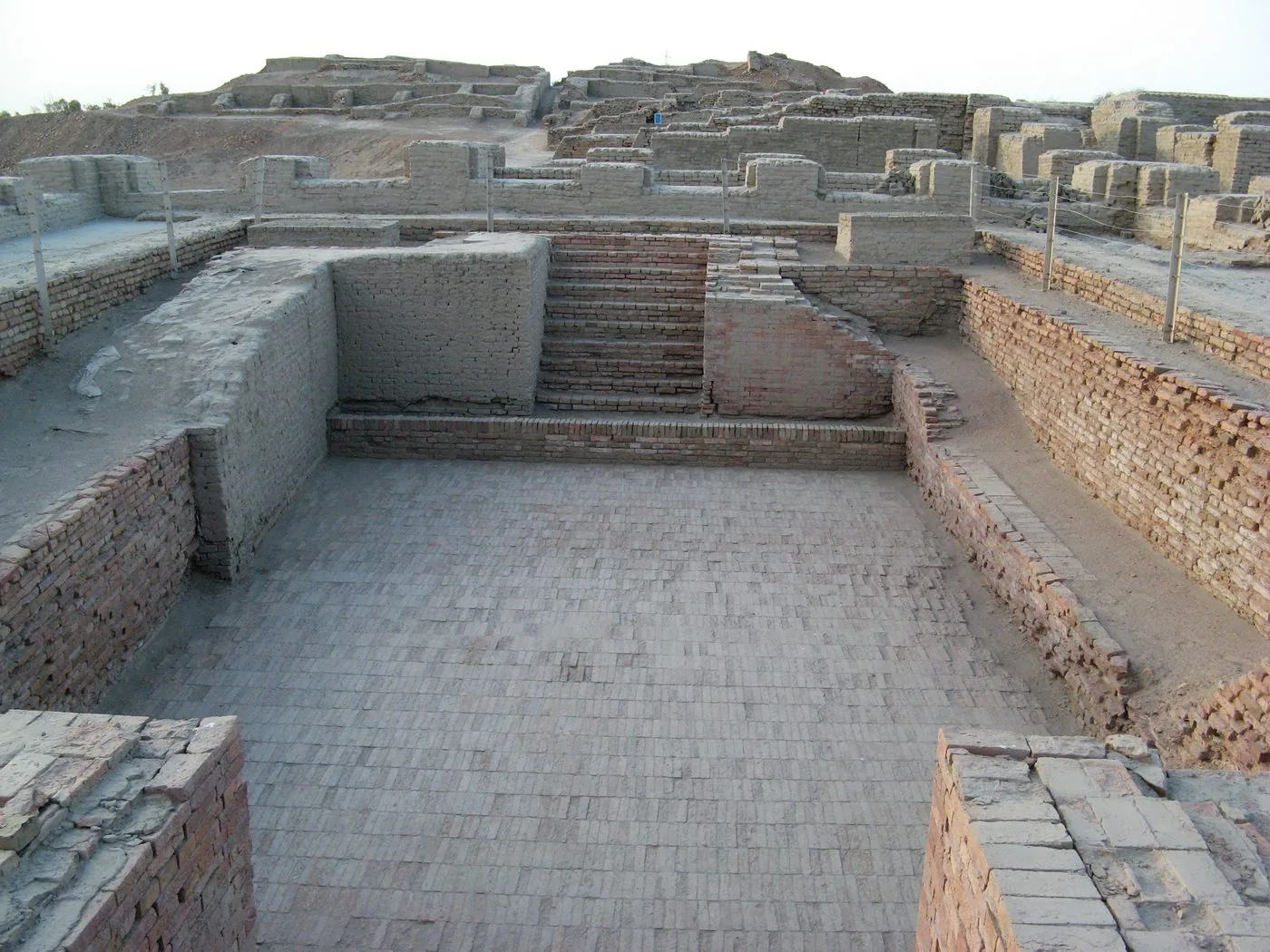
The Great Bath, Mohenjo-daro · Comrogues · CC BY 2.0
Rating key
The Purification Timeline, Evidence-Rated
| # | Practice | When and where | What people did | Rating | What the evidence says |
|---|---|---|---|---|---|
| 1 | The Great Bath Contested | When and whereMohenjo-daro, Indus Valley, 3rd millennium BCE | What people didBuilt a watertight public tank, about 12 m by 7 m and up to 2.4 m deep, with fitted brick, gypsum and bitumen | Ritual (inferred) | What the evidence saysThe structure is documented. What it was used for is inferred, since no texts survive. [6] |
| 2 | Ancient Sanskrit water methods Dated variously | When and whereIndia, dated variously from about 2000 BCE to the 3rd–4th century CE | What people didA medical text lists boiling, heating in sunlight, plunging hot iron, filtering through sand and gravel, and a clearing seed | Worked (boiling, filtering); Not tested (others) | What the evidence saysBoiling and sand filtration do work. The date of the text is disputed, and most accounts copy one 1948 source. [7] |
| 3 | The Hippocratic sleeve | When and whereGreece, traditionally attributed to about 400 BCE | What people didA cloth bag to strain water | Partly worked | What the evidence saysStraining removes sediment and some particles, not most germs. The attribution is traditional. |
| 4 | The mikveh | When and whereJewish law, ancient to present | What people didImmersion in a pool of naturally gathered water, such as rain or spring water | Ritual | What the evidence saysPurity is defined by the water's origin and path, not its cleanliness. Drawn tap water alone does not qualify. [10] |
| 5 | Misogi | When and whereJapan, Shinto, ancient to present | What people didWhole-body washing in a Shinto purification rite; forms include cold-water washing, sometimes under waterfalls | Ritual | What the evidence saysA living rite. No hygiene claim is made. |
| 6 | Sand filtration | When and wherePaisley, 1804; London, 1829 | What people didThe first municipal sand filters | Partly worked | What the evidence saysSlow sand filters remove many pathogens biologically, if the water is clear enough. [14] |
| 7 | Broad Street pump | When and whereLondon, 1854 | What people didJohn Snow traced a cholera outbreak to one contaminated water pump | Worked (as proof) | What the evidence saysLinked cholera to water, years before germ theory was accepted. |
| 8 | The Ganges Contested | When and whereIndia, Hankin, 1896 | What people didA scientist reported that Ganges water showed germ-killing activity | Not tested | What the evidence saysA single 19th-century laboratory report. Later writers have linked it to bacteriophages, but this is contested. [5] |
| 9 | Chlorination | When and whereJersey City, 26 September 1908 | What people didThe first continuously chlorinated city supply in the US, defended in court as “pure and wholesome” | Worked | What the evidence saysDisinfection became the standard, after a public fight over what “pure” means. [8] |
| 10 | Tea | When and whereEngland, 18th century | What people didTea drinking spread, which meant boiling water | Not tested (association) | What the evidence saysTea's spread is linked to falling death rates, most where water was bad. It is a historical association, not a proven cause. [4] |
| 11 | Sari cloth | When and whereBangladesh, trial 1999–2002 | What people didFiltering pond water through old sari cloth folded four times | Partly worked | What the evidence saysCut cholera by 48% across about 133,000 people. It works because cholera bacteria ride on plankton. It is not a general germ filter. [1] [2] |
| 12 | Copper vessels | When and whereIndia, Ayurvedic practice | What people didStoring water in copper pots | Partly worked | What the evidence saysIn one laboratory test, water stored 16 hours in copper lost its culturable diarrhoea-causing bacteria. Lab conditions only. Not a substitute for safe water. [3] |
| 13 | Orr's bathtub | When and whereCalifornia, 1962 | What people didLeonard Orr stayed in a bath for about two hours and called it his first Rebirthing experience | Ritual (experience) | What the evidence saysOrr's own account. A personal experience, not a hygiene claim. [18] |
| 14 | The Kumbh Mela | When and wherePrayagraj, India, 2025 | What people didTens of millions bathed in sacred river water | Ritual | What the evidence saysSome samples exceeded bathing-water standards, and a later regulator analysis reported median values within the criteria. Both can be true, since samples, places and methods differ. Ritual purity and measured hygiene are separate questions. [11] |
Ritual purity and hygiene are different ideas. They sometimes overlap, as with boiling and sand filtering, and sometimes they don't, as with sacred waters that fail a modern bathing test. Neither is worth less. They answer different questions: Is this safe? and What does this mean?
Story
A folded cloth that halved a disease.
In rural Bangladesh, cholera comes from the ponds and rivers people drink from. In the 1990s, a team of researchers noticed something about the bacteria: they travel on tiny floating animals called plankton, which are large enough for a cloth to catch.

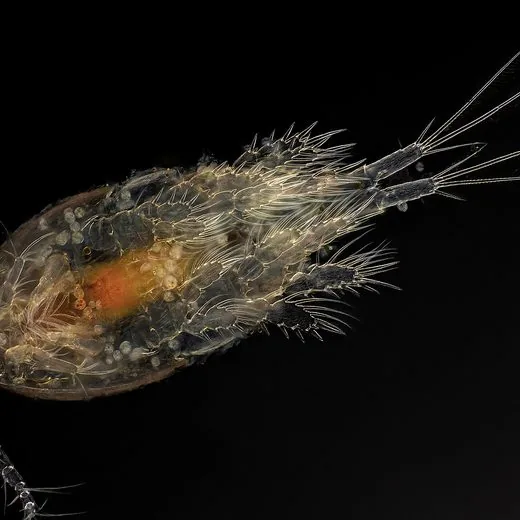 Bacteria ride on planktonCholera bacteria cling to tiny animals like this copepod.
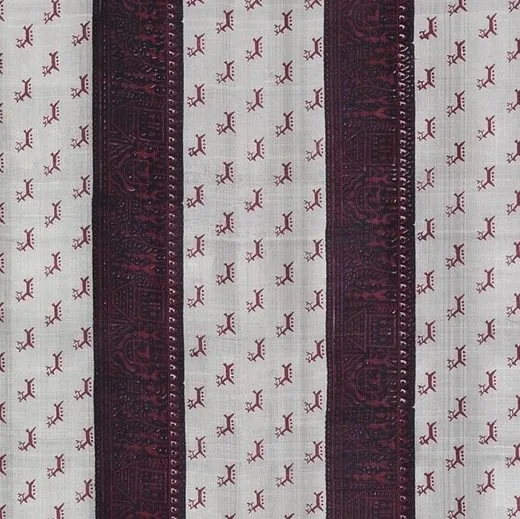 Four folds catch themOld sari cloth folded four times traps the plankton.
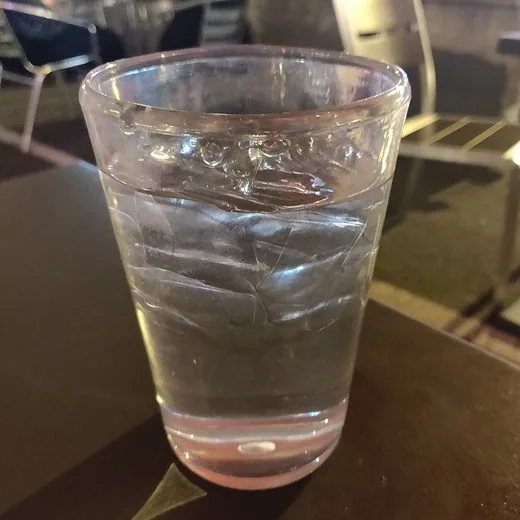 Much cleaner waterWhat passes through carries far fewer bacteria.
Between 1999 and 2002, researchers asked women in 65 villages to filter their water through old sari cloth, folded at least four times. Nearly 133,000 people took part. In the villages that filtered, cholera fell by 48%. A garment women already owned worked about as well as nylon filters made for the purpose.
The cloth did not catch the bacteria directly. It caught the plankton that carried them. That is also why it is not a general way to make water safe. In water without that plankton, or with other germs, the cloth does very little.
A follow-up five years later found that only about 31% of surveyed respondents reported using some form of filtration. The method was simple, but a simple method still needs a habit to carry it.
Sometimes the answer has been in the house all along, and keeping it is the hard part.
Sources
Evidence
Understanding the difference between science and belief.
Some purification methods are proven, some are rituals, and some are in between. Here's what the evidence tells us.
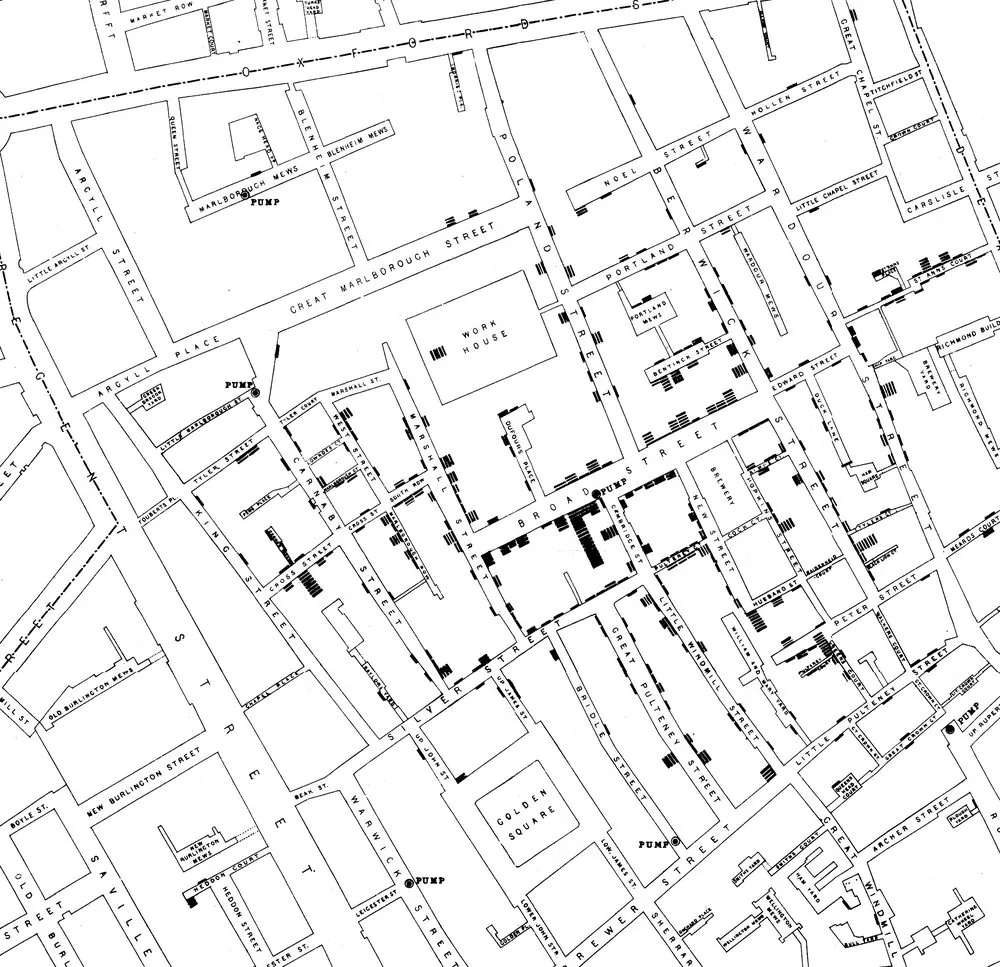
Boiling, sand filtration and chlorination remove or kill the causes of waterborne disease. Sacred or natural does not mean safe, and a clear stream can carry germs.
In a trial of about 133,000 people, filtering water through folded sari cloth cut cholera by 48%. The effect is specific to cholera's plankton pathway.
A warm bath or shower one to two hours before bed is associated with falling asleep faster, in a review of 13 small studies. In a large Japanese cohort, people who bathed in a tub daily had lower heart disease risk, but this is an association and cannot show cause.
Leonard Orr taught that bathing cleans the energy body. Some say warm water and indoor plumbing have added years to human life. We report this as belief. Separate historical research finds that clean-water infrastructure helped lower death rates, though how much is disputed. His practice is bathing with attention.
Sources
Daily Water
Small moments to reconnect with water.
We touch water dozens of times a day without noticing. Reconnecting with Water can begin with the next time you wash your hands.
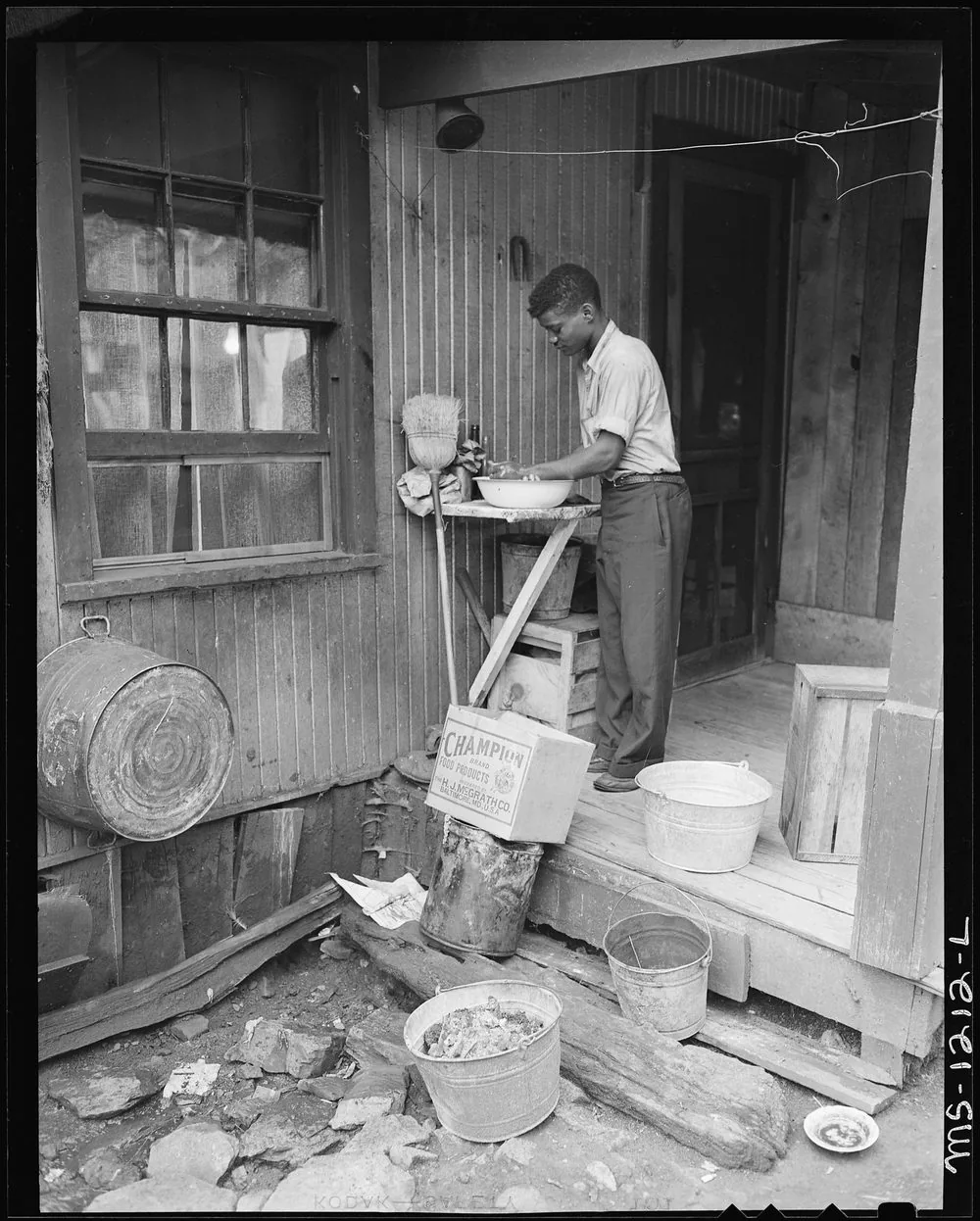
Pick one wash, such as your face in the morning, and give it your full attention.
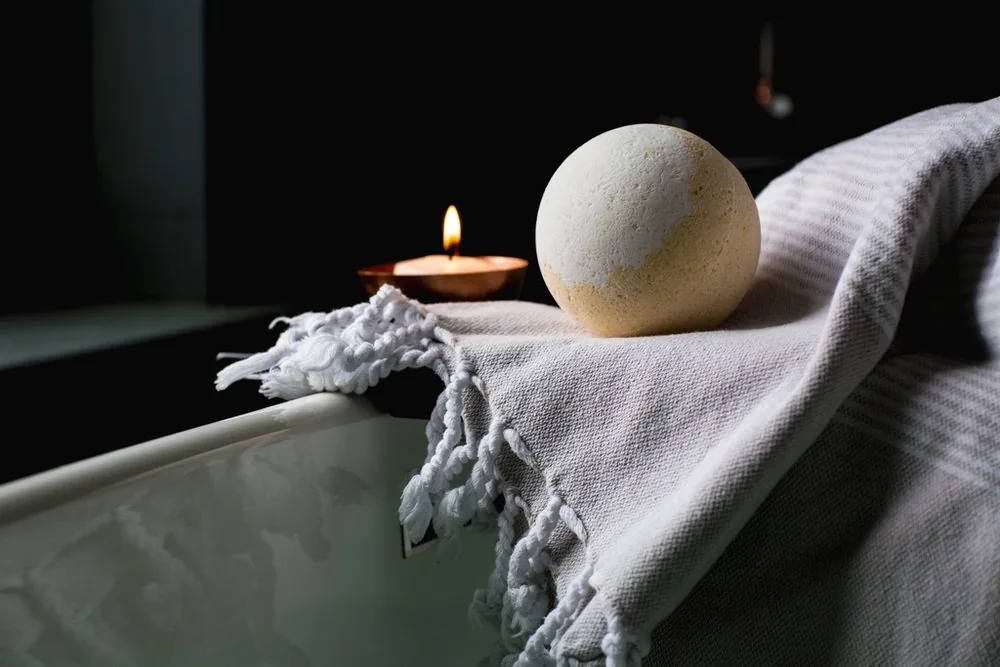
Warm, not hot, with your phone elsewhere. Notice when you begin to feel ready for sleep.
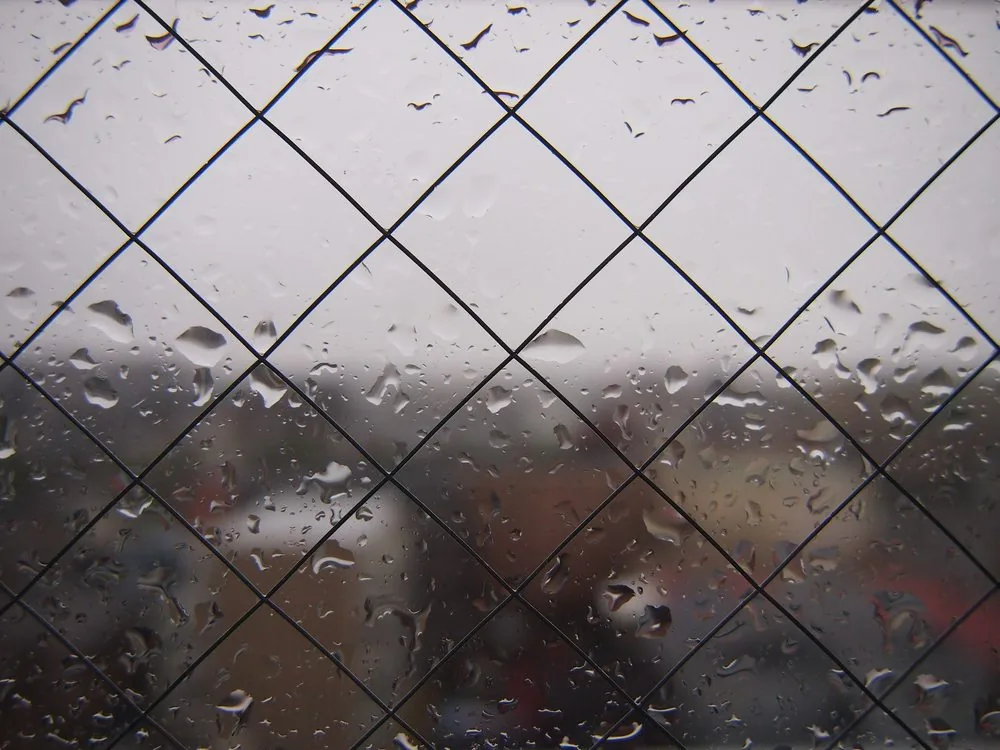
Rain on a window or a roof is water arriving. Give it two minutes.
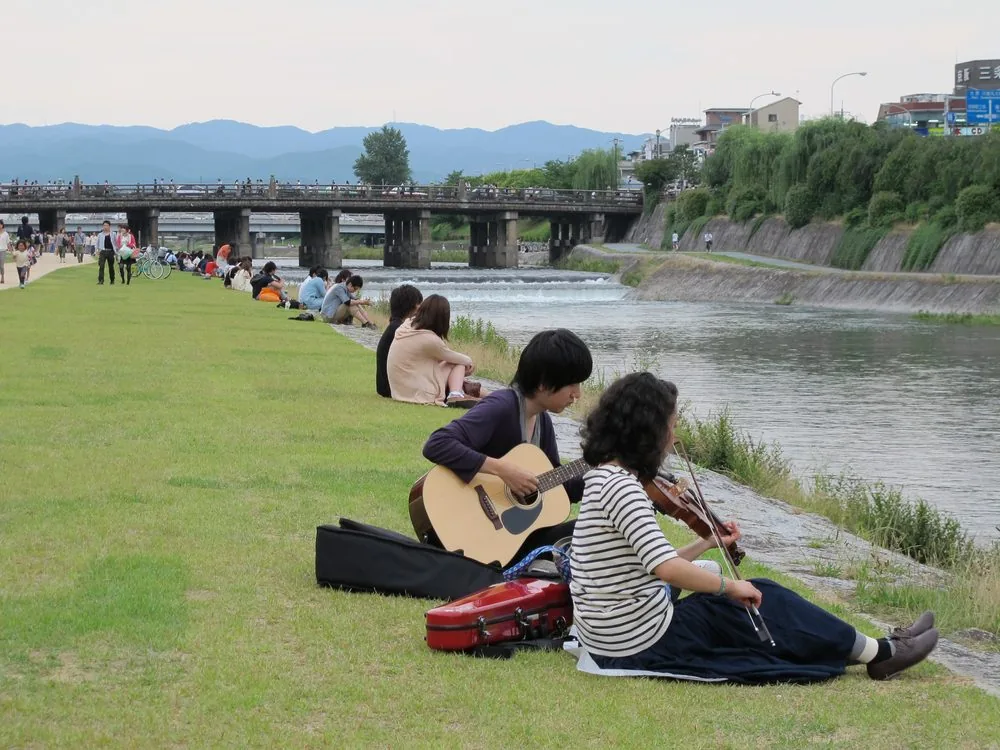
A stream, a fountain or a sink. Let your attention follow the flow.
Connecting with Water doesn't require a ritual. Just a moment of attention to something you already do.
For some communities, purifying means returning to the same water again and again.
Millions bathe in the Ganges each year as an act of devotion, though measured water quality varies widely.
A Jewish ritual bath, filled with naturally gathered water, used for transitions in life.
In Shinto practice, misogi is a purification rite of washing the body, in some forms with cold water, to begin again.
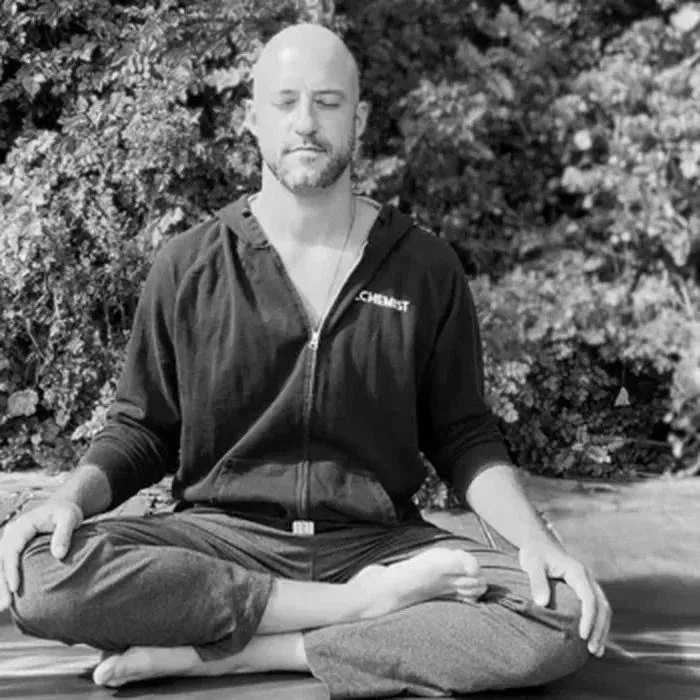
Practice with Erik
WATER / PURIFY
You've explored the meaning, history and everyday practice of Water. Now take the next step with Erik Casano. Private sessions are available in person in Agoura Hills or online, with an optional focus on Water or any of the five elements.
Tell us a little about what you're looking for, and our team will follow up.
Water Course: Coming Later
A dedicated Water course with Erik Casano is planned. Details will be added when the course is ready.
Elements
Water is one part of a greater whole.
Each of the five elements offers a different way to connect with yourself and the world around you. Continue your exploration through the other four.
Earth
Discover mindful nourishment and how the ground becomes you.
Fire
Explore contemplation, the flame and four ways of looking into fire.
Air
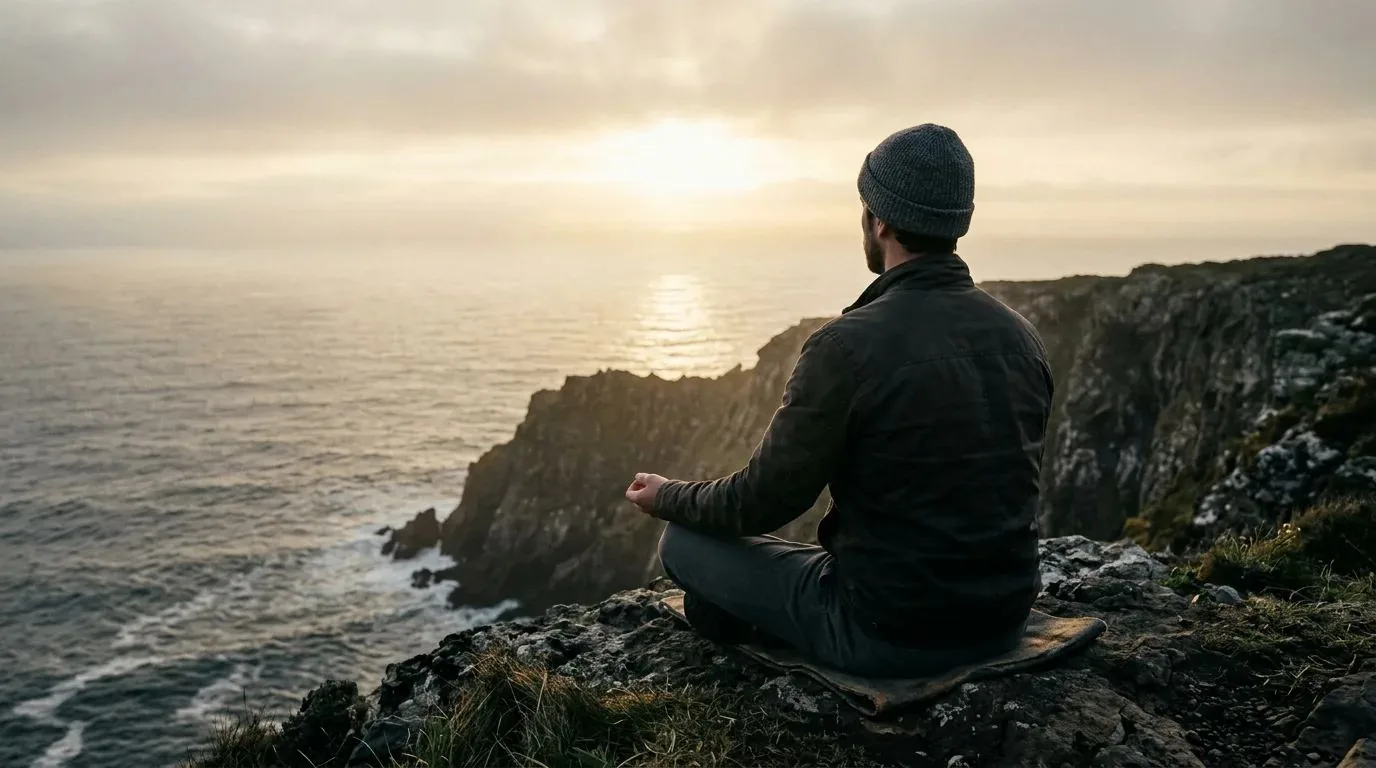
Discover the breath, Leonard Orr's connected breathing and the anatomy of one breath.
Ether
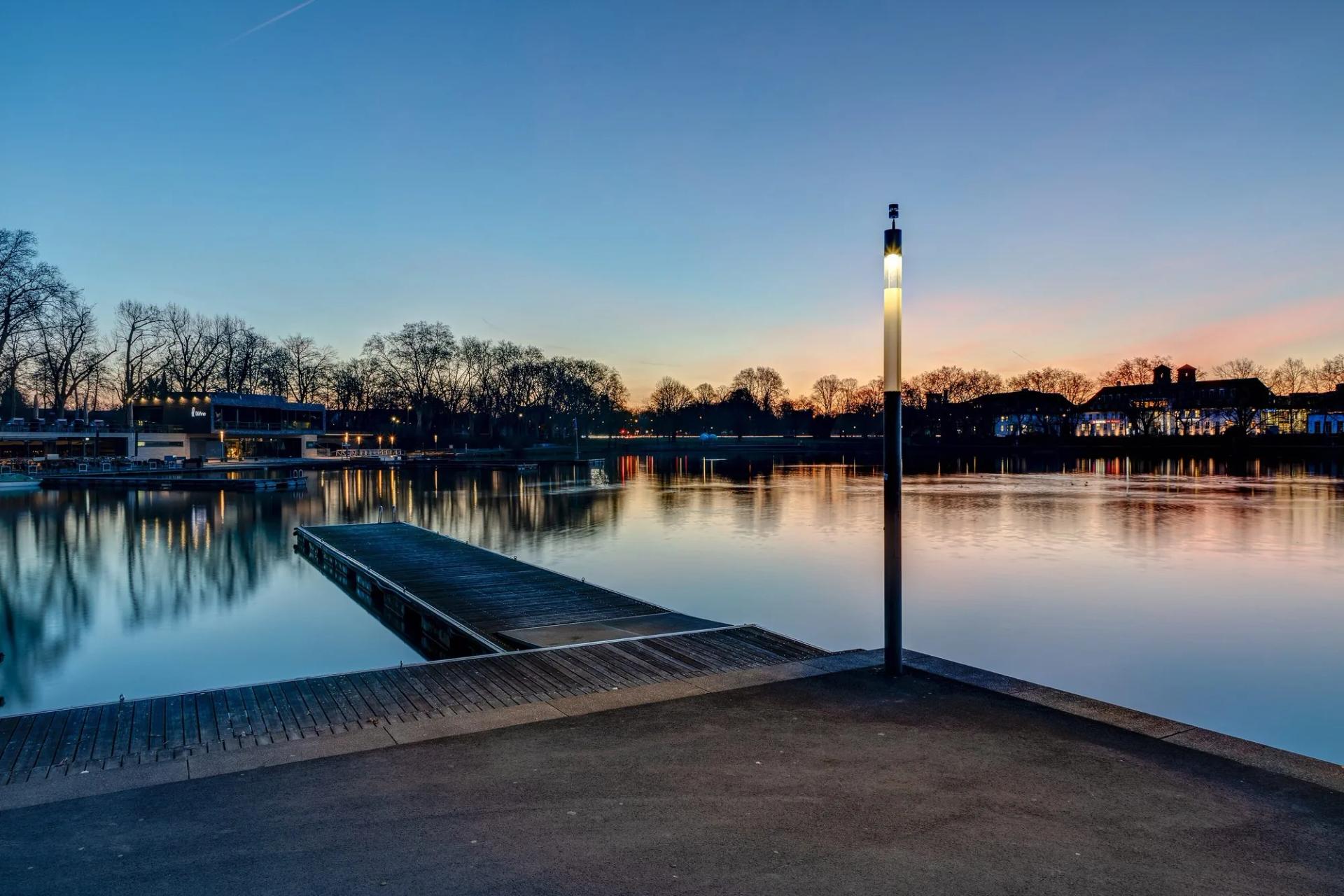
Explore the inner world through dreams, attention and imagination.
Every element offers a different path. Discover the one that speaks to you.
Resources
Explore, download and share the knowledge behind the Water element.
Knowledge grows when it's shared. Explore our original educational resources, discover the research behind them, and bring these materials into your own learning, teaching or creative work.
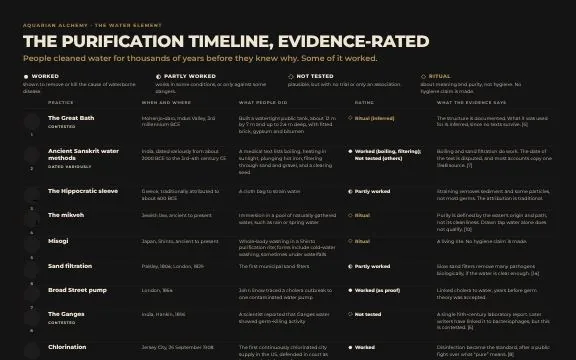
4,500 years of making water clean, with each practice rated against current evidence.
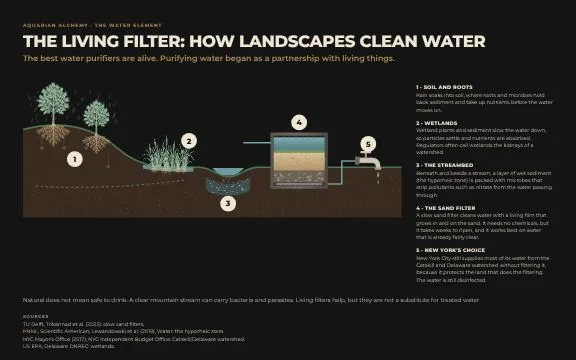
How soil, wetlands, streambeds and sand clean water with living layers.
Explore the original research, historical references and creator credits behind each resource. We believe understanding where knowledge comes from is an important part of learning.
Picture credits