Dream Incubation
In ancient Greece, people slept in temples of Asclepius hoping for a healing dream. Inscriptions at Epidaurus record their stories.



The Ether element
Ether: the element you meet with your eyes closed.
Every night, the mind travels somewhere no one else can follow. Reconnecting begins with remembering where you've been.
Meaning
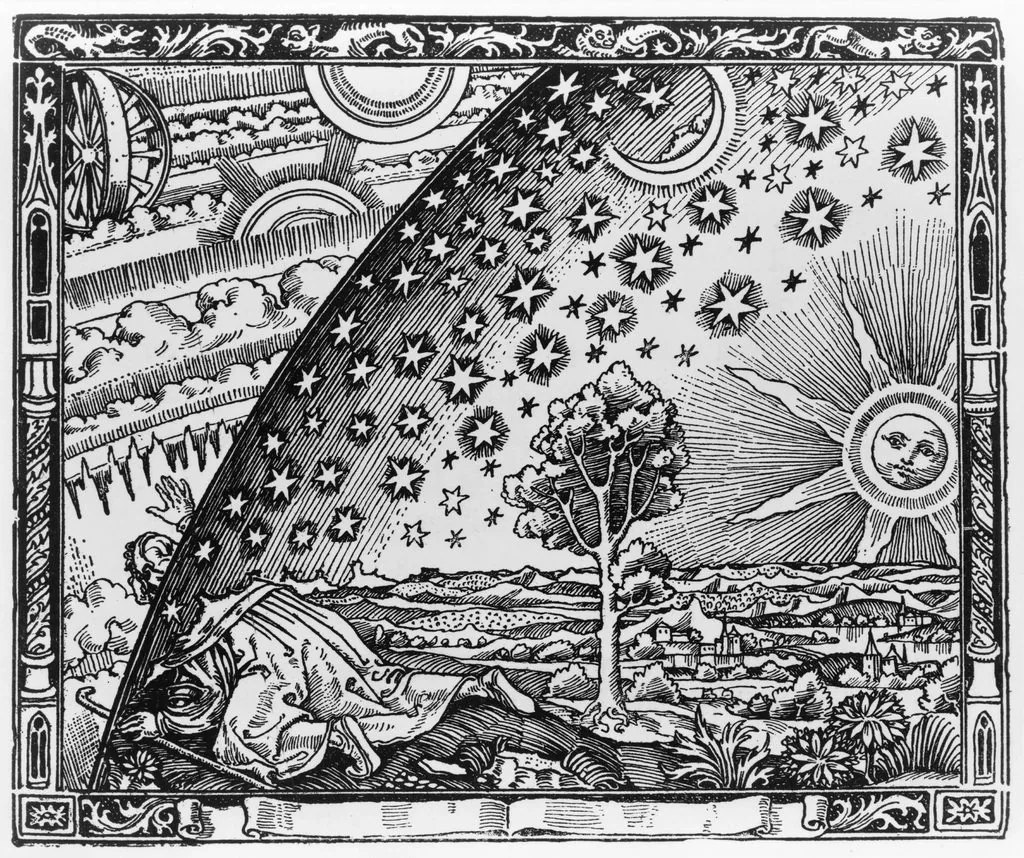
The ether element, also spelled aether, is the fifth element: the open space in which the other four exist. In Aquarian Alchemy, Ether is the element of the inner world, explored through dreams, attention and imagination. Its action is simple: dream.
Ether is a symbolic element, not a physical substance. In the 1800s, scientists proposed a “luminiferous aether” that carried light through space, but later experiments and relativity moved physics past it. As a spiritual and philosophical idea, Ether describes space, subtlety and the inner life.
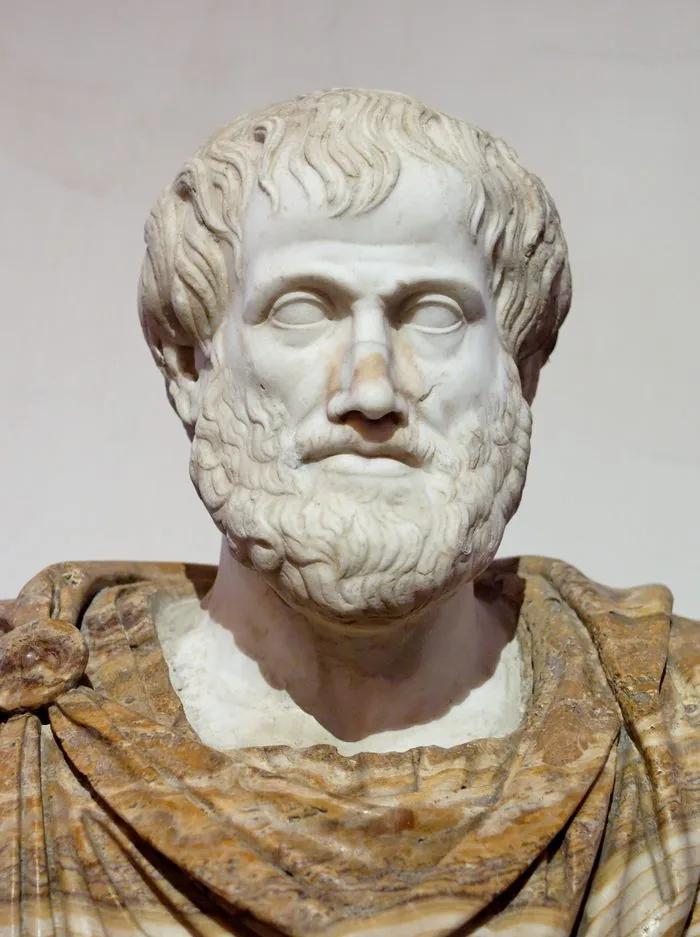
Aristotle · marble bust after Lysippos · public domain
Aristotle described aether as a fifth element, the pure substance of the heavens, beyond earth, water, air and fire.
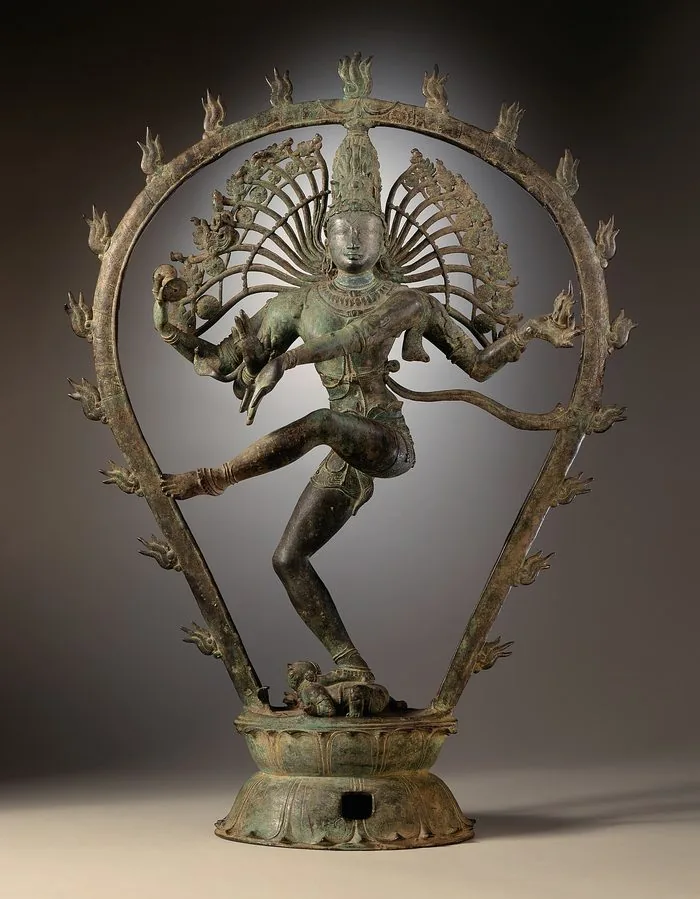
Shiva as the Lord of Dance · bronze · public domain
Ether is akasha, meaning space. In classical Indian philosophy it is the subtlest of the five great elements and is associated with sound.
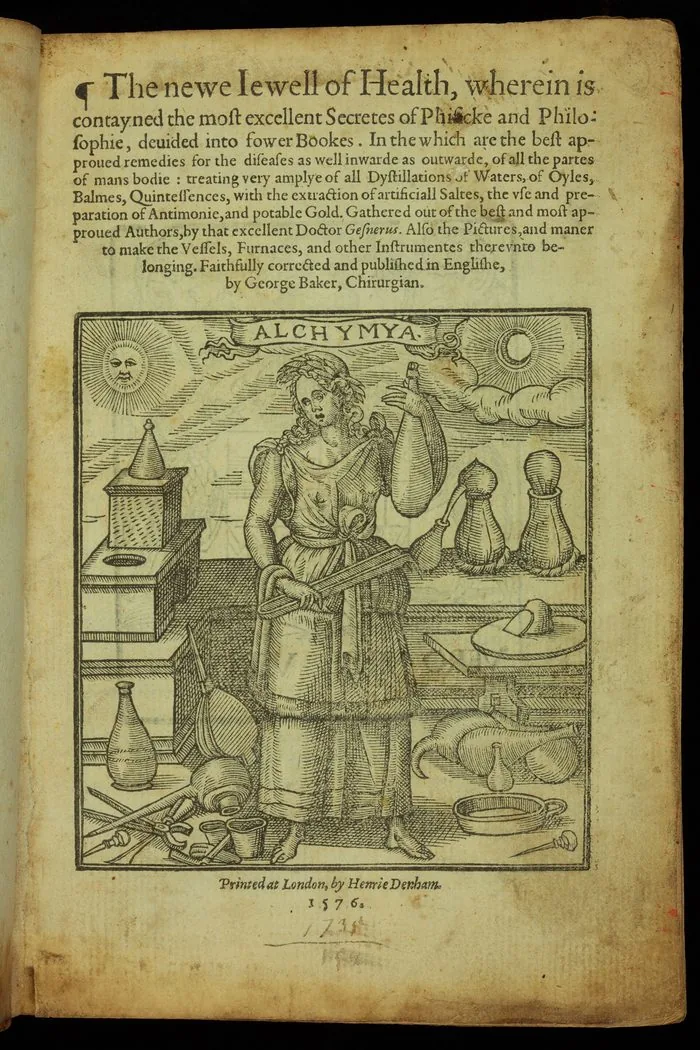
The New Jewel of Health · Conrad Gessner, 1576 · public domain
Alchemists called the fifth element the quintessence, the refined essence that holds the other four together.
Lineage
One lineage, three interpretations.
Aquarian Alchemy's five elements grew from a living lineage of breathwork teachers. Each teacher named the fifth practice in their own way.
Leonard Orr: Mind
Leonard Orr, who developed Rebirthing Breathwork, taught spiritual purification through earth, air, water, fire and mind. For Orr, the mind, especially our thoughts and beliefs, was a practice of its own.Source: Leonard Orr's Official Blog
DP Mahesh: Space
DP Mahesh, founder of 5 Elements Breathwork, named the fifth element Space. Erik trained with DP Mahesh in Haidakhan.Source: 5 Elements Breathwork
Erik Casano: Dream
Erik Casano names the fifth element Ether and explores it through dreams. Dream journaling and daily meditation are at the heart of his own practice.Source: Erik Casano
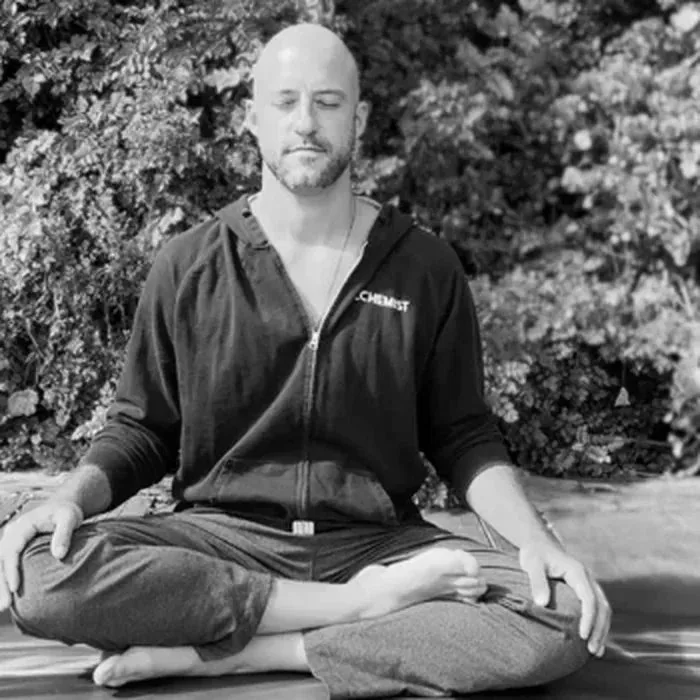
Erik writes down his dreams and practices meditation in the evening and early morning. For him, lucid dreaming, becoming aware within a dream, grows naturally from a practice of attention. He describes it as a side effect of concentration rather than something to force.
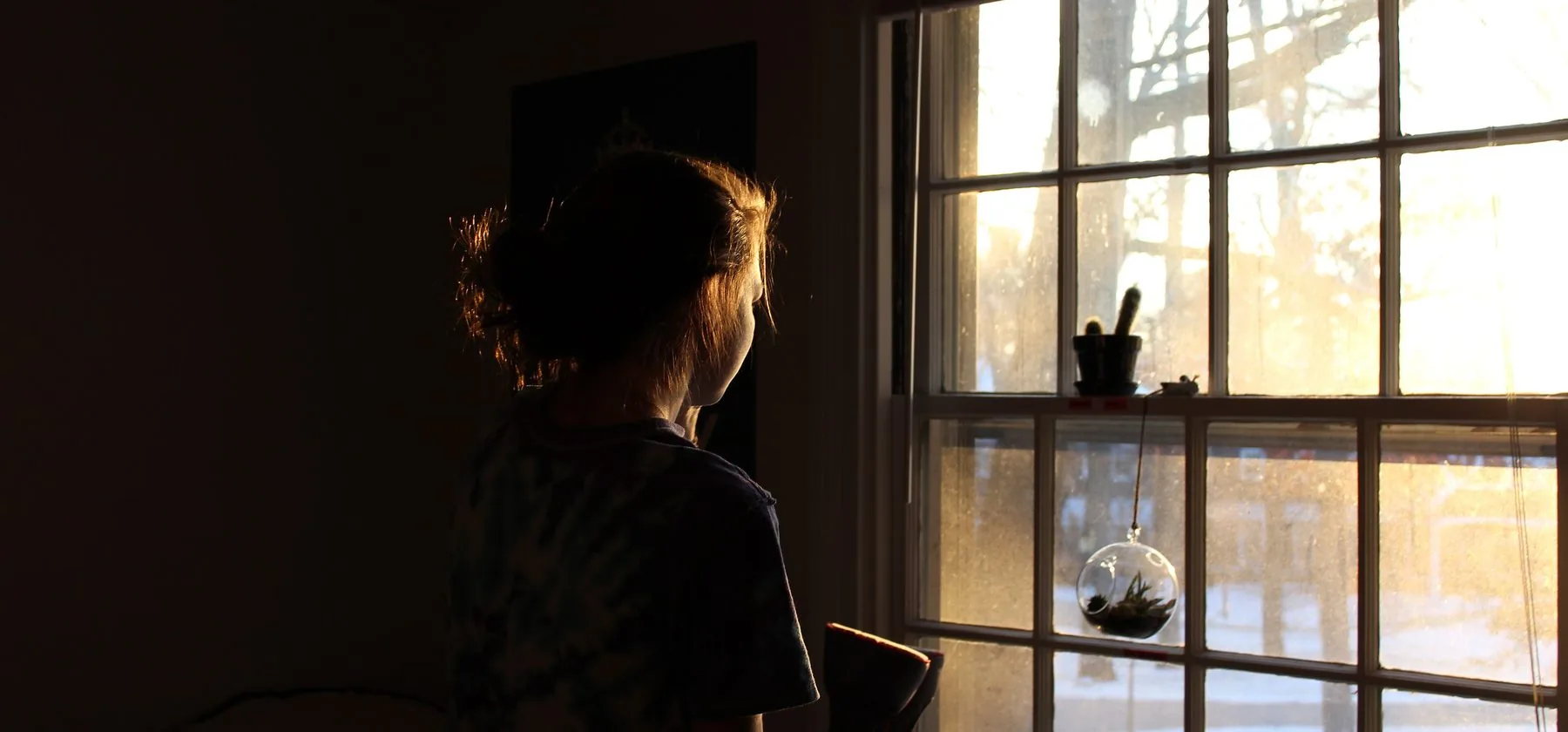
Try it
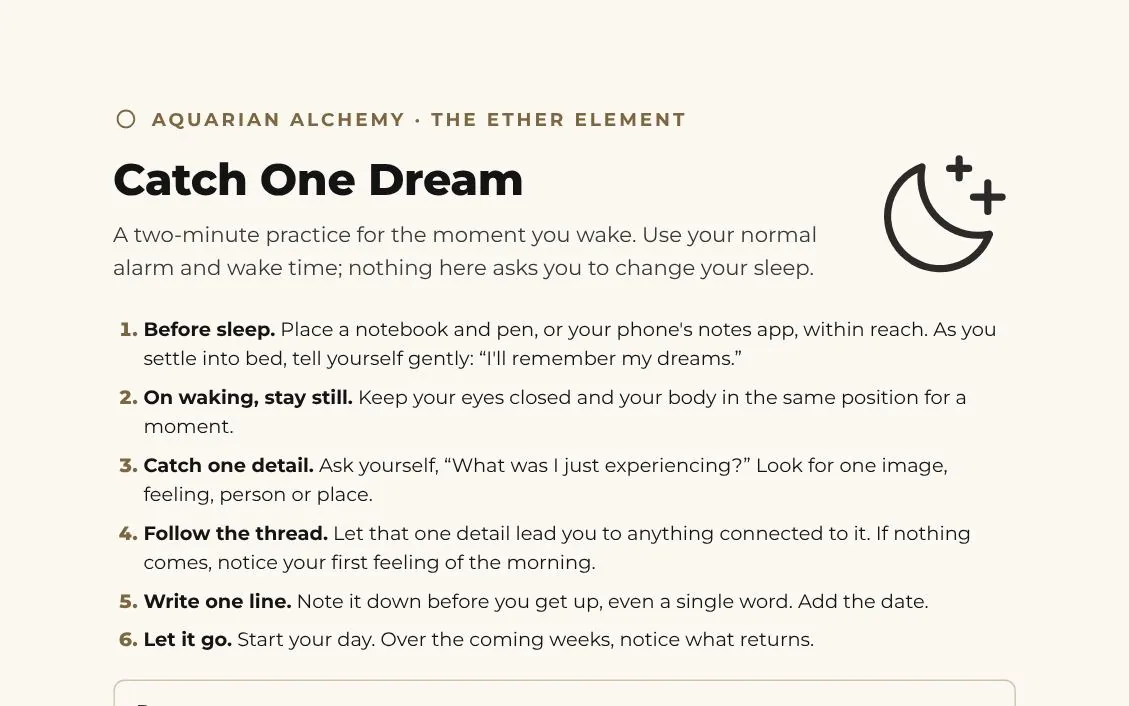
A two-minute practice for the moment you wake.
Dreams fade within minutes of waking. This short practice helps you hold on to one. Use your normal alarm and wake time; nothing here asks you to change your sleep.
Remembering dreams is a skill that grows with practice. The simplest method, used by dream researchers and practitioners alike, is to catch a detail before you move and write it down.
0:00
of 2:00
One night
You travel through several worlds every night.
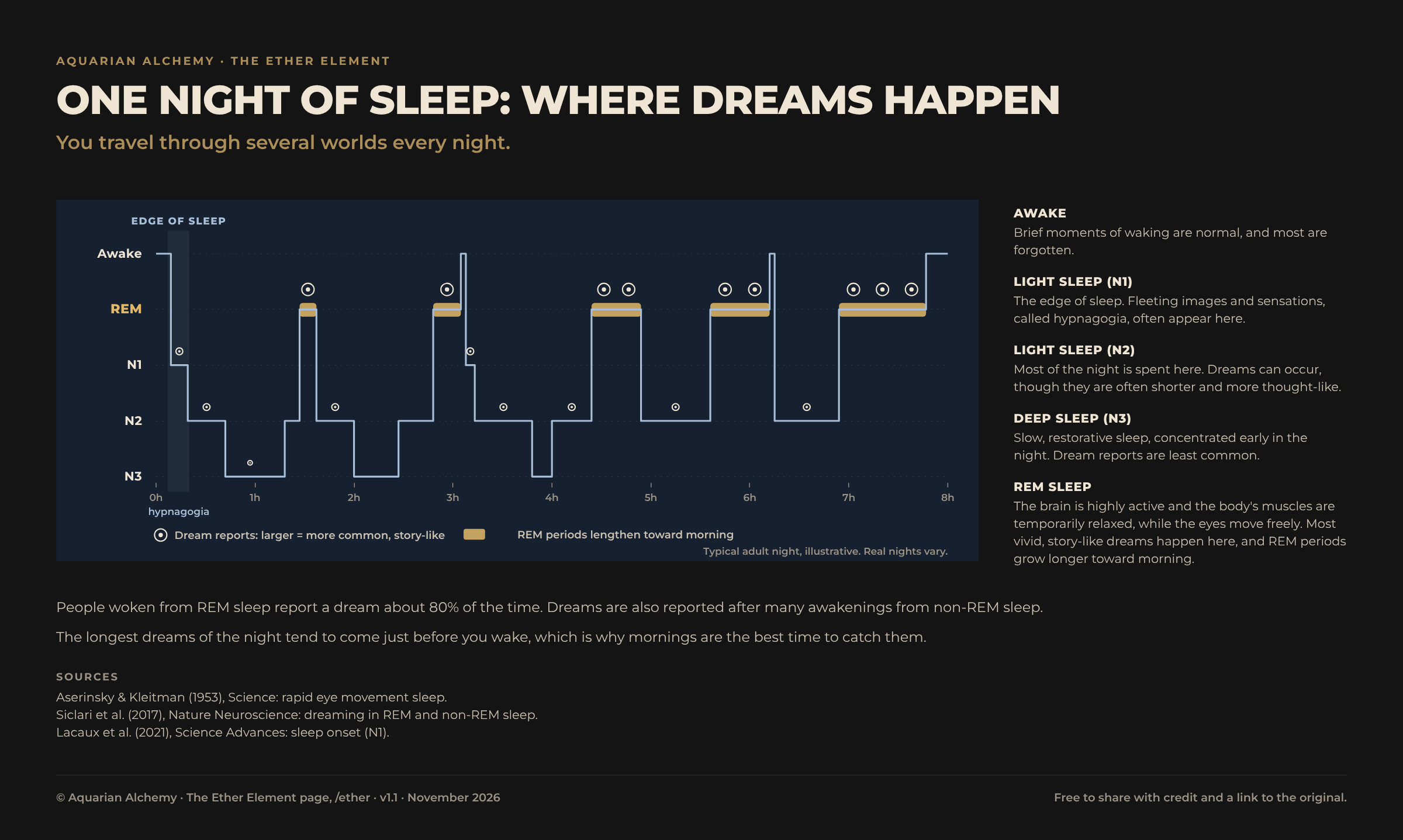
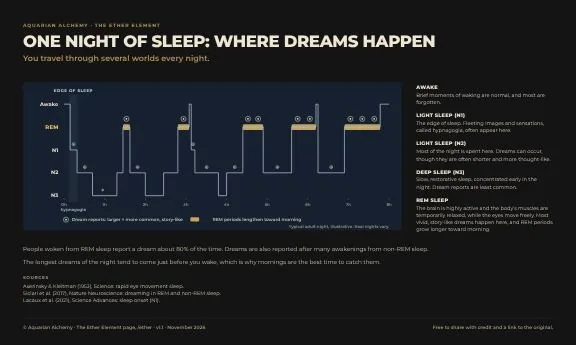
Sleep is not one long, still state. Through the night, the brain cycles through distinct stages roughly every 90 minutes, and dreams can happen in more of them than you might expect. [3]
One Night of Sleep: Where Dreams Happen
Swipe to see the whole night
Brief moments of waking are normal, and most are forgotten.
The edge of sleep. Fleeting images and sensations, called hypnagogia, often appear here.
Most of the night is spent here. Dreams can occur, though they are often shorter and more thought-like.
Slow, restorative sleep, concentrated early in the night. Dream reports are least common.
The brain is highly active and the body's muscles are temporarily relaxed, while the eyes move freely. Most vivid, story-like dreams happen here, and REM periods grow longer toward morning.
NotePeople woken from REM sleep report a dream about 80% of the time. Dreams are also reported after many awakenings from non-REM sleep. [4]
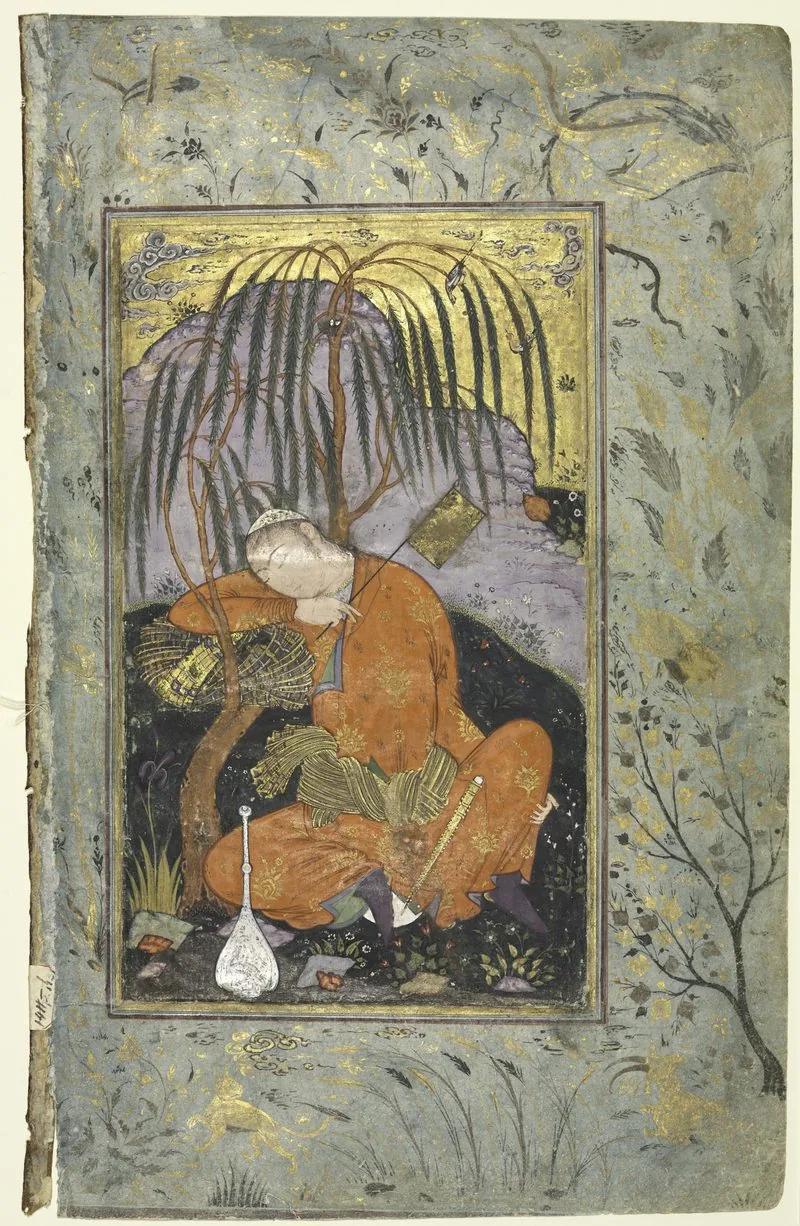
Sleeping Youth · Riza-yi Abbasi · CC0
The drifting images just as you fall asleep have a name: hypnagogia. In a 2021 study of 103 people, those who spent at least 15 seconds in this earliest stage of sleep were far more likely to discover a hidden shortcut in a puzzle afterward. It's one study, but it suggests the edge of sleep is a creative place. [5]
The longest dreams of the night tend to come just before you wake, which is why mornings are the best time to catch them.
Dream conversation
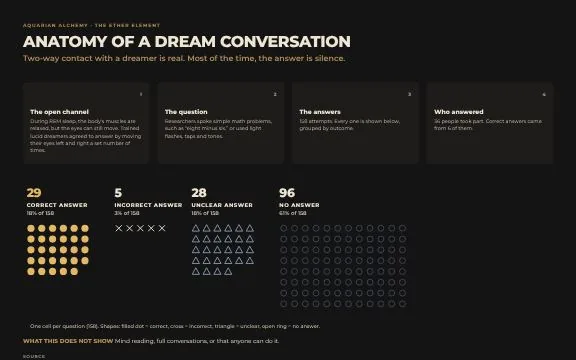
158 questions, asked of people who were asleep.
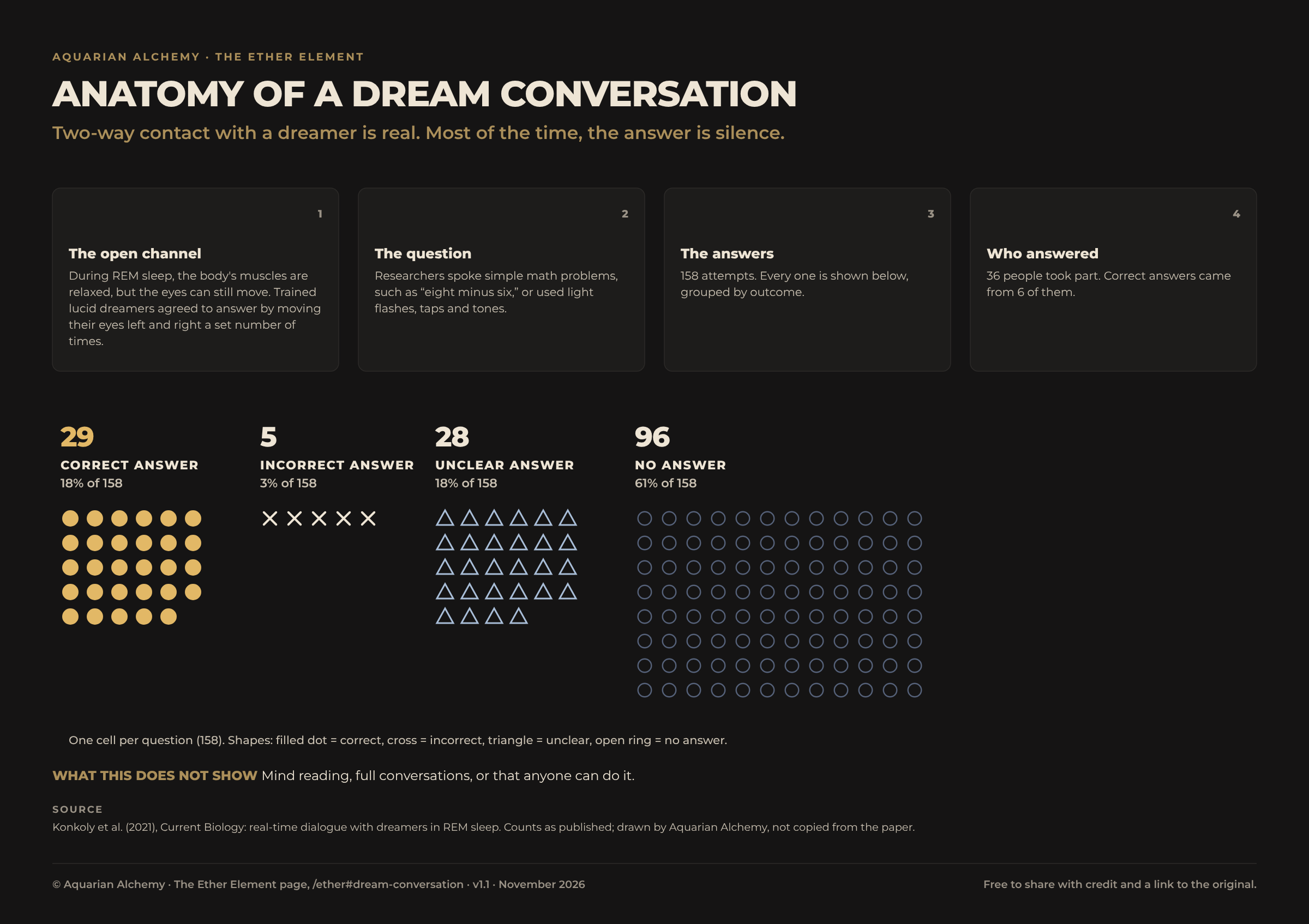
In 2021, four research teams in the United States, France, Germany and the Netherlands asked simple questions of people who were lucid dreaming, and waited for answers sent from inside the dream. Here is every result, including the silences. [1]
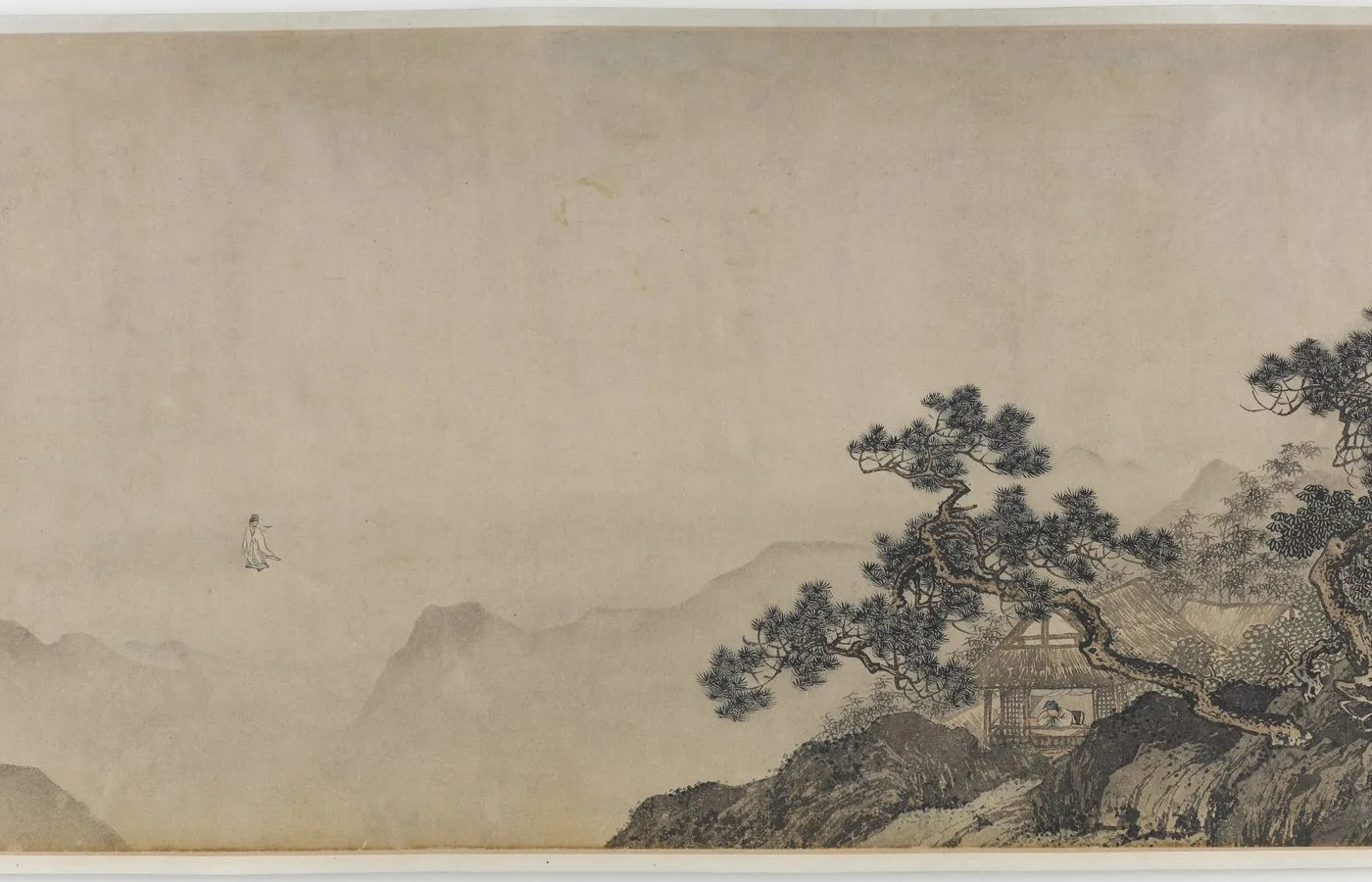
The Thatched Hut of Dreaming of an Immortal · Tang Yin · CC0
Anatomy of a Dream Conversation: What 158 Questions Asked of Sleeping People Returned
The open channel
During REM sleep, the body's muscles are relaxed, but the eyes can still move. Trained lucid dreamers agreed to answer by moving their eyes left and right a set number of times.
The question
Researchers spoke simple math problems, such as “eight minus six,” or used light flashes, taps and tones.
The answers (158 attempts)
Who answered
36 people took part. Correct answers came from 6 of them.
| Outcome | Count | Share |
|---|---|---|
| Correct answer | 29 | 18% |
| Incorrect answer | 5 | 3% |
| Unclear answer | 28 | 18% |
| No answer | 96 | 61% |
| Total | 158 | 100% |
NoteTwo-way contact with a dreamer is real, but it is rare and it is simple: single numbers and yes-or-no answers, not conversations.
The silences are part of the finding.
Story
For a long time, dreams were a closed room.
For most of history, the only way to know a dream was to hear about it afterward. A dreamer could not prove they had been aware inside a dream, and no one could reach them while it was happening.
In the late 1970s and early 1980s, researchers including Keith Hearne in England and Stephen LaBerge at Stanford found a way through. During REM sleep, the body is still but the eyes are free. Lucid dreamers agreed in advance to move their eyes left-right in a set pattern once they realized they were dreaming. The signal appeared on the sleep recording, timestamped, while the brain showed REM sleep. A private experience had left a public mark. [2]
Four decades later, four research teams went further. Instead of only receiving a signal, they asked questions. A researcher spoke a simple sum to a sleeping volunteer. On the screen, the eye recording swung left and right: two. The dreamer had heard the question inside the dream, worked out the answer and replied without waking. [1]
Some dreamers later described the question arriving as a voice from somewhere in the dream world. Others did not remember it at all.
Most questions went unanswered. Of 158 attempts, 96 met silence, and only six of the 36 volunteers ever answered correctly. Two-way contact with a dreamer is possible, but rare, simple and fragile. That is the honest headline: not that scientists can read dreams, but that a dreamer can, sometimes, reach back.
The dream world is not sealed. But it is still mostly private.
Sources
Evidence
Understanding the difference between science and belief.
Lucid dreaming has been confirmed in the sleep lab for decades. Ways to bring it on, and claims about what it can do, are much less certain. Here's what the evidence tells us.

Lucid dreaming is real. Since the early 1980s, dreamers have signaled from within verified REM sleep using pre-agreed eye movements.
Keeping a dream journal increases how many dreams people remember. Good dream recall is one of the strongest predictors of success with lucid-dream techniques.
Long-term meditators report more lucid dreams than non-meditators. In one study, an eight-week meditation course did not increase lucid dreaming, so the link may not be cause and effect.
In Aquarian Alchemy, Ether is explored through dreams as a spiritual practice of inner space. This is Erik's interpretation and a spiritual view, not a scientific finding.
For most people, an occasional lucid dream is harmless. The risks come mainly from the methods, not the dreams. Techniques that interrupt sleep with alarms or night-time waking can cost you rest. In a 2018 study that surveyed 187 students and followed up 78 of them two months later, deliberate attempts to induce lucid dreams were linked to more sleep problems and, in some measures, increases in dissociation-related symptoms. The design shows an association, not a cause. Protect your sleep first. [9]
Sources
Daily Ether
The inner world is always there. These are gentle ways to notice it.
You don't need special equipment or a sleep lab to explore Ether. These small practices build the attention that makes dreams easier to remember, and sometimes, easier to wake up within.

Write one line about your dreams each morning. Over time, you'll start to see your own dream patterns.
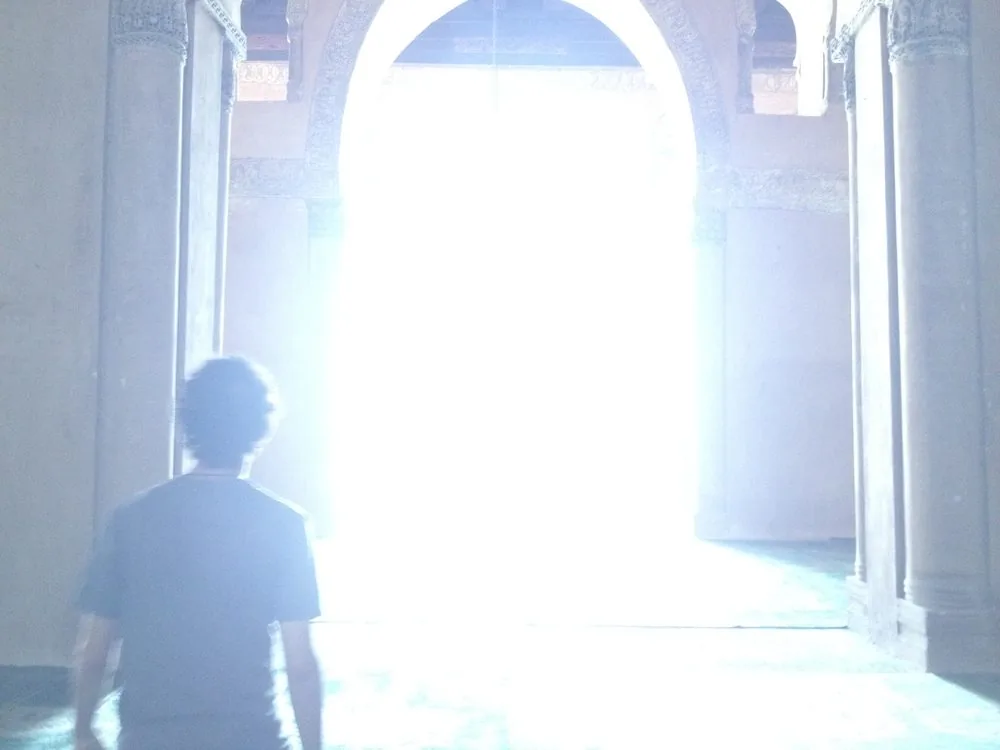
A few times a day, pause and ask, “How did I get here?” Noticing the present moment while awake makes it easier to notice in a dream.

As you fall asleep, gently tell yourself: “Next time I'm dreaming, I'll notice I'm dreaming.”
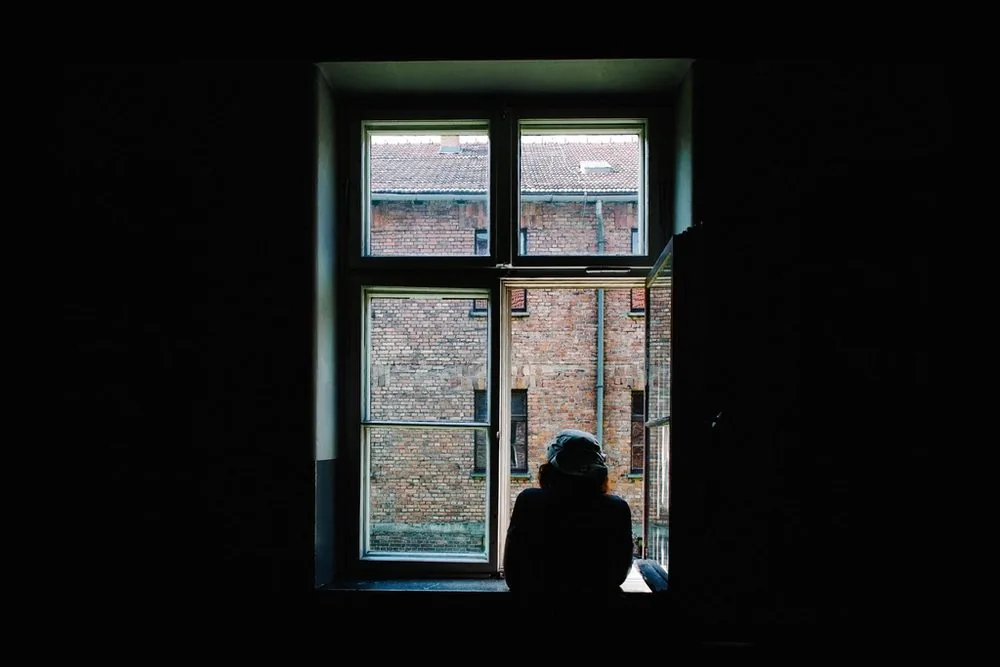
A few quiet minutes of meditation, or simply looking out a window, give the inner world room to speak.
Connecting with Ether doesn't require a special place or practice. Just a moment of attention.
A lucid dream is a dream in which you realize you are dreaming. There is no guaranteed method, but research points to a gentle path that doesn't cost you sleep. [6] [7]
Start with dream recall (Section 3). People who remember their dreams well are more likely to succeed.
Read back through your journal. Look for places, people or events that repeat. These become clues.
As you fall asleep, picture yourself back in a recent dream, noticing a dream sign and realizing, “I'm dreaming.” Researchers call this the MILD technique (mnemonic induction of lucid dreams).
Occasionally ask yourself during the day, “Am I dreaming?” and look closely at your surroundings. On its own this does little, but it supports your intention.
Lucid dreams may come rarely or not at all, and that's fine. The real gift of this practice is a closer relationship with your dreams.
Note: Some popular techniques involve waking yourself in the night (sometimes called wake back to bed) or taking supplements. We don't recommend them here, because they cut into sleep.
In ancient Greece, people slept in temples of Asclepius hoping for a healing dream. Inscriptions at Epidaurus record their stories.
Dream books
An Egyptian dream book, a papyrus now held at the British Museum, lists dreams and their meanings, with unfavorable dreams marked in red ink. [10]
In Tibetan Buddhism, dream yoga is a living practice of recognizing the dream state as training for awareness. It is taught by qualified teachers within its tradition.
Erik also uses visualization and spoken intentions as part of his Ether practice. Research suggests imagining the steps toward a goal tends to help more than picturing only the result. [11]
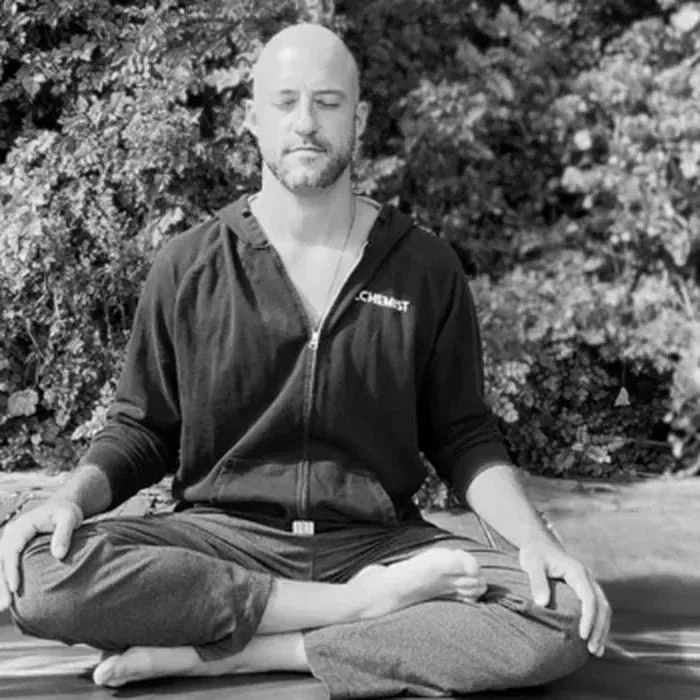
Practice with Erik
ETHER / DREAM
You've explored the meaning, science and everyday practice of Ether. Now take the next step with Erik Casano. Private sessions are available in person in Agoura Hills or online, with an optional focus on Ether or any of the five elements.
Tell us a little about what you're looking for, and our team will follow up.
Ether Course: Coming Later
A dedicated Ether course with Erik Casano is planned. Details will be added when the course is ready.
Elements
Ether is one part of a greater whole.
Each of the five elements offers a different way to connect with yourself and the world around you. Continue your exploration through the other four.

Earth
Discover mindful nourishment and how the ground becomes you.

Water
Explore water, bathing and purification in everyday life.
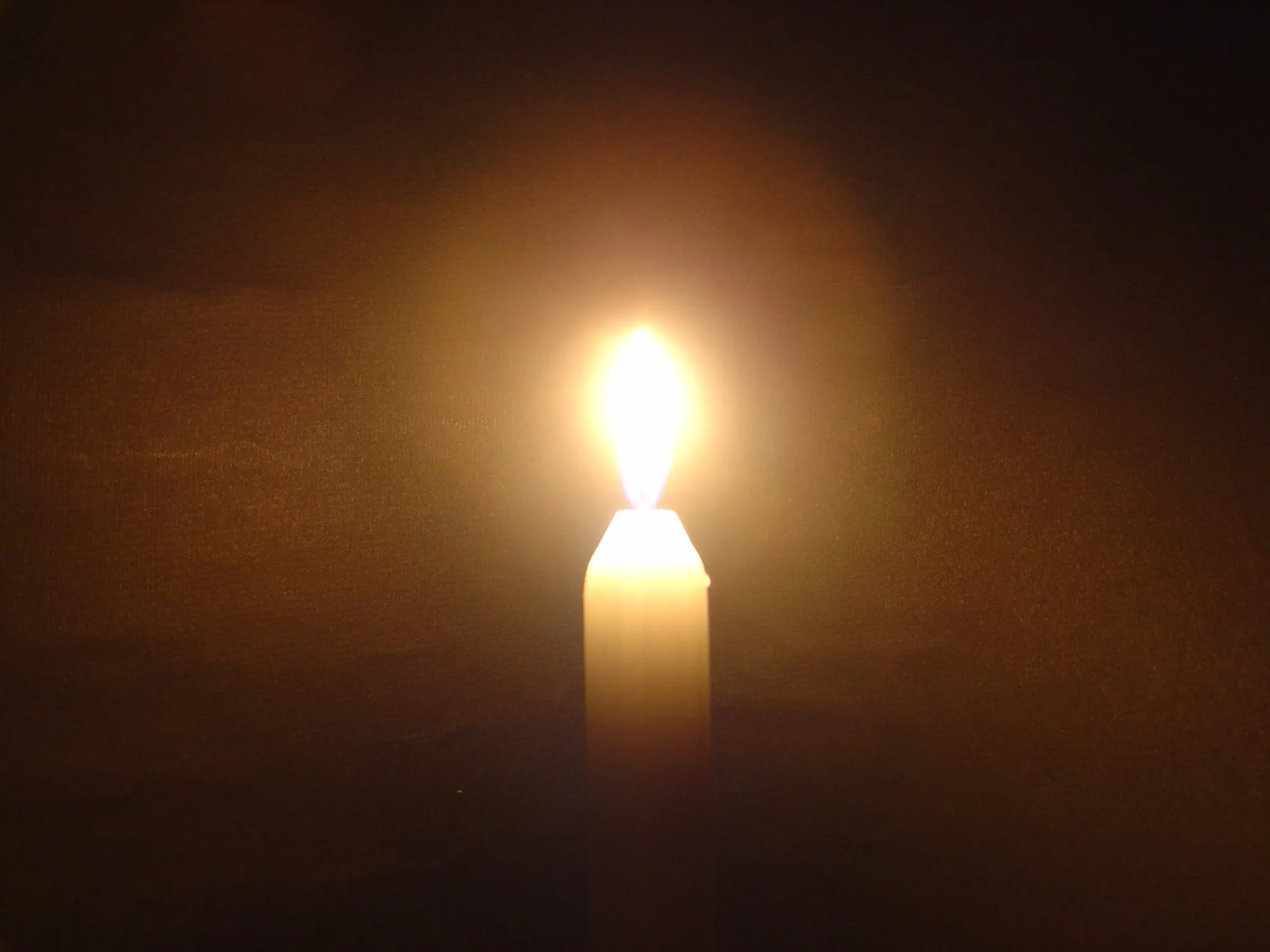
Fire
Discover the power of observation through light, warmth and fire contemplation.

Air
Discover the breath, Leonard Orr's connected breathing and the anatomy of one breath.
Every element offers a different path. Discover the one that speaks to you.
Resources
Explore, download and share the knowledge behind the Ether element.
Knowledge grows when it's shared. Explore our original educational resources, discover the research behind them, and bring these materials into your own learning, teaching or creative work.
Every result from 158 questions asked of lucid dreamers, including the silences.
An illustrated map of the sleep stages and where dreams happen through the night.
A printable dream journal page and two-minute dream-recall practice.
Explore the original research, historical references and creator credits behind each resource. We believe understanding where knowledge comes from is an important part of learning.
Picture credits